Start with the programme, not a generic accessory list
For a commercial gym or studio, buying foam rollers is also a decision about how an accessory is issued, cleaned, stored and reordered. A useful enquiry therefore starts with the intended programme and the people responsible for day-to-day handling. A product photograph alone cannot answer those operational questions.
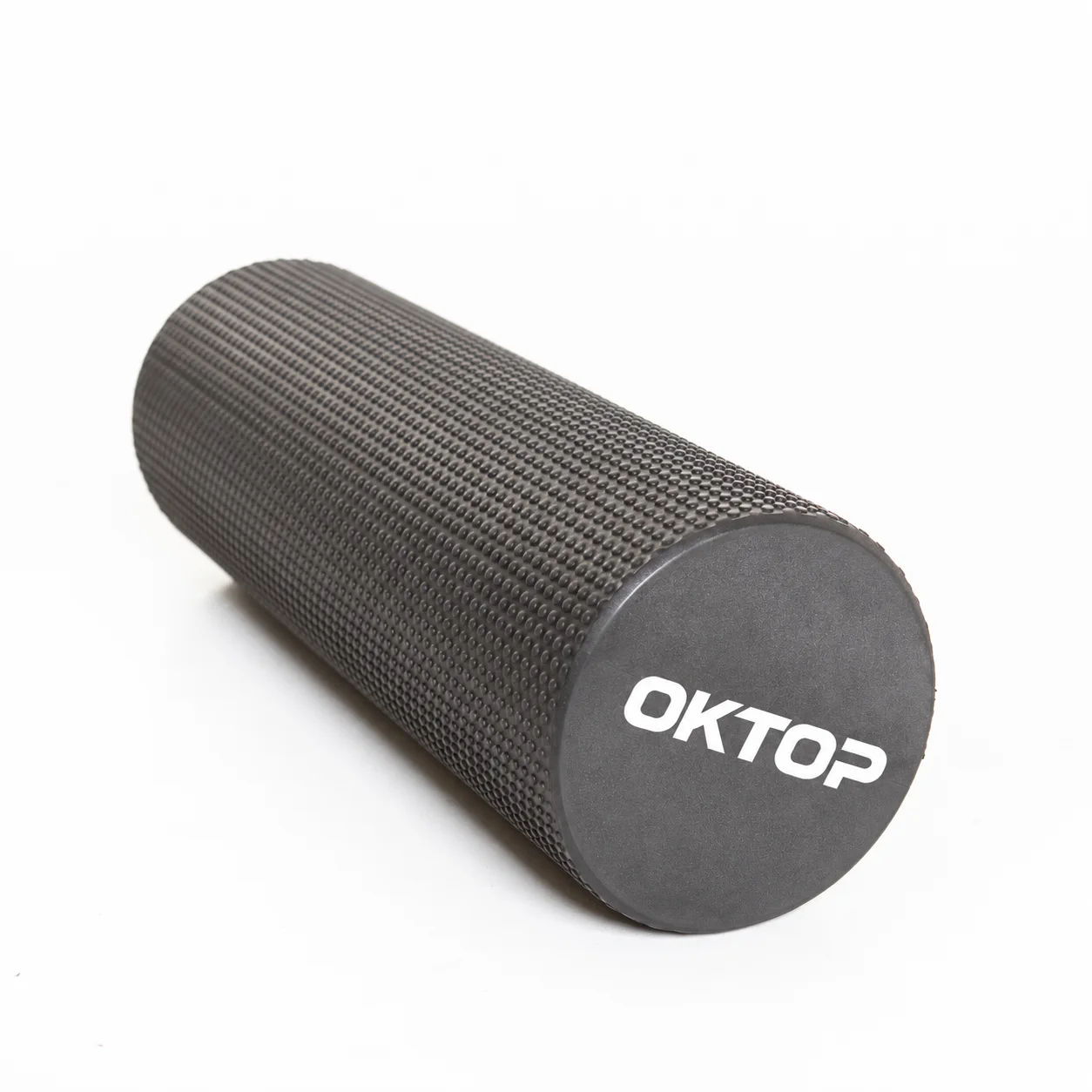
OKTOP lists OT6053 Foam Roller 45cm in its Training Accessories range. The 45 cm wording identifies the current catalogue reference; buyers should still request confirmation of the selected product's dimensions, construction, surface, colour and packing before ordering. This guide explains how to build that request without assuming a particular material grade, firmness or performance result.
Separate a shared studio stock from a resale range
A studio usually needs a quantity linked to its programme and storage arrangement. A distributor may instead need a product suitable for an identified customer segment, with consistent item descriptions and order records. These are different buying briefs even when the same reference is being considered.
For a shared studio stock, record the expected number of simultaneous users, where equipment is collected, where it is returned and who checks it between sessions. Decide whether the order is intended for one room or several locations. Any additional stock should follow the operator's own replacement and cleaning plan rather than an arbitrary percentage.
For resale, record the intended channel, destination market and customer type. Specify any requested label, barcode, language or retail presentation and ask the supplier to confirm what is available. Do not assume that an image of a branded item establishes the packaging or customization included in a quotation.
Make sample review specific
A useful sample review compares an actual item with written requirements. It is not enough to approve that the sample looks broadly similar to a website photograph. Give the sample a reference number and retain the specification version associated with it.
Questions to resolve include:
- What are the confirmed dimensions and product construction for this item?
- What surface and firmness are being quoted, and how will they be identified in the order?
- Which cleaning and storage instructions apply to the actual supplied product?
- What visible finish, colour and branding details form part of the approved reference?
- How will a future reorder be matched to the same agreed specification?
A sample can help a buyer assess the proposed item, but it does not establish a universal service life or guarantee how every user will experience it. Any testing, inspection or acceptance requirement should be agreed for the selected order.
Plan storage and handling before setting the final quantity
Walk through the room's routine from collection to return. Will rollers be stored on shelving, in a dedicated accessory area or in another arrangement approved by the operator? Check the selected storage dimensions against the confirmed product dimensions rather than relying on a catalogue thumbnail.
Keep the equipment collection point outside necessary circulation routes. Facility layout, supervision and user suitability remain the responsibility of the operator and relevant qualified people. This procurement guide is not an exercise prescription or medical recommendation. In particular, a description such as mobility or recovery accessory should not be converted into a claim that a product treats pain or prevents injury.
Cleaning is another purchasing question. Ask for instructions appropriate to the actual materials and finish, then have the operator check that its intended routine is compatible. Avoid publishing unsupported claims such as antibacterial, sterilizable or maintenance-free.
Compare quotations on the same basis
Create one line for each selected reference. Show the quantity, confirmed specification, packaging request, branding request and delivery destination. Keep unresolved points visible instead of accepting a headline price as a complete offer.
If two quotations differ, identify whether they cover the same product and commercial scope. Packing method, sample approval, labeling and delivery terms can change the comparison. Obtain current prices, minimum order quantities, lead times and trade terms from the actual offer; none should be inferred from this article.
Before shipment, agree what evidence is useful for the order. This may include quantity records, representative item photographs, packing identification and the applicable inspection record. At receipt, match the shipment to the approved schedule and record visible package issues before packaging is discarded.
FAQ
Which OKTOP reference is a starting point for a foam-roller enquiry?
OT6053 Foam Roller 45cm is the current product reference discussed here. Confirm the complete specification and suitability for the intended programme before ordering.
Can a buyer select firmness or material from the photo alone?
No. Ask for written product information and review an appropriate sample. A photo cannot establish material grade, firmness, cleaning compatibility or durability.
What should a first enquiry include?
Include the product reference, intended use setting, approximate quantity, destination market, storage context and any packing or branding request. List the points that need confirmation before sample or order approval.
Turn the shortlist into an order-ready brief
Good foam-roller sourcing connects product identity with a practical handling routine and a clear commercial record. It gives the supplier a focused set of questions while preventing unsupported promises from reaching a studio, distributor or end user.
Review OT6053 Foam Roller 45cm, browse agility and bodyweight accessories, or send your sourcing brief with the quantity and destination market.