Introduction
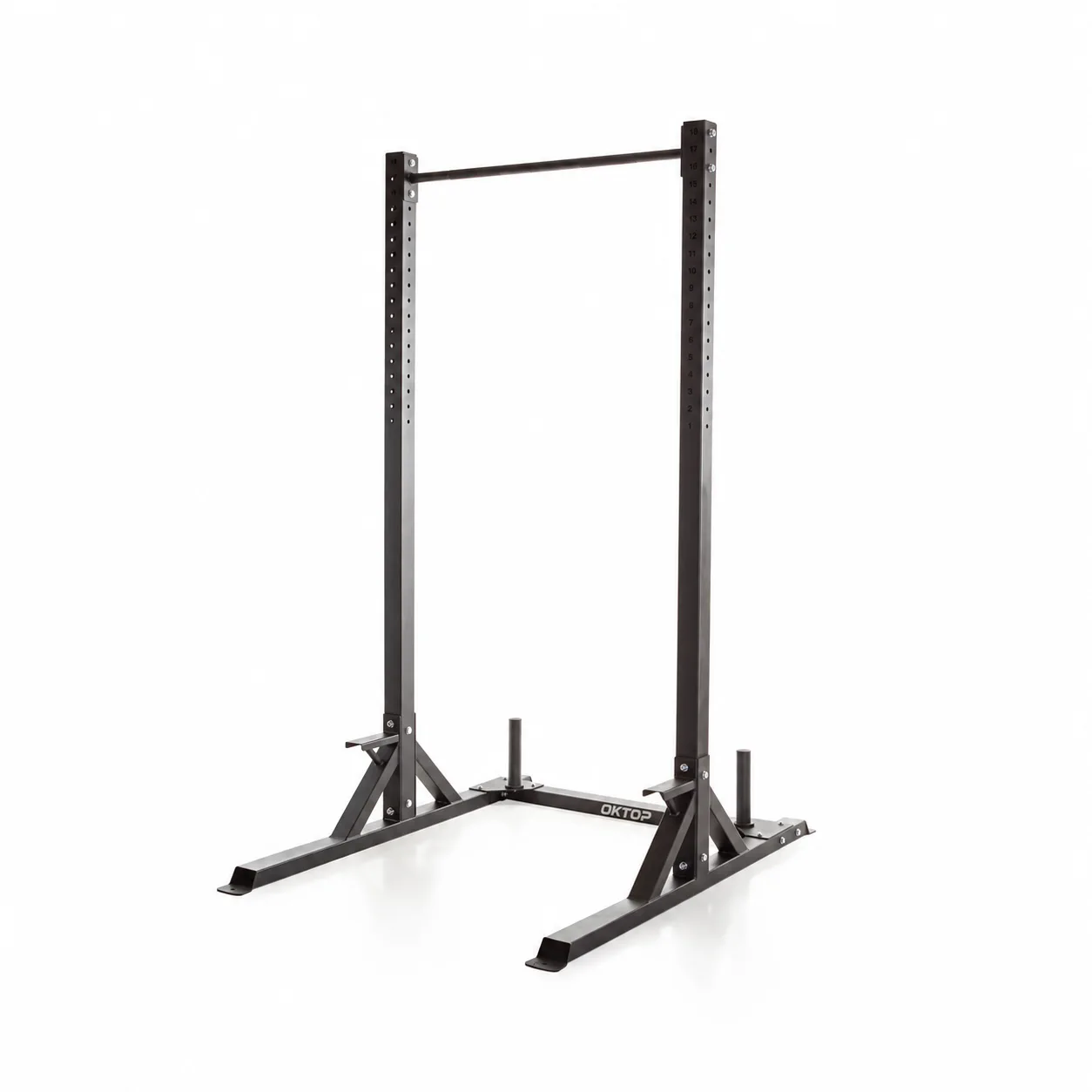
A pull-up station is a vertical piece of equipment with a strong effect on the room around it. Ceiling conditions, access routes, user movement, nearby equipment and the final product configuration all matter before an order is confirmed. Commercial buyers should therefore start with a site and training brief rather than selecting only from a visual reference.
This guide helps gyms, studios, distributors and project buyers prepare a clearer pull-up-station enquiry. Product-specific dimensions, fixing or assembly requirements, materials, load information, packaging and suitability must be confirmed against the selected product and project conditions.
Begin with the intended training setting
Describe the user group, programme and expected traffic. A coached functional-training area may need a different user flow from a general commercial gym or a distributor showroom. Record whether the station will be used alone, as part of a larger rig or rack area, or beside other functional equipment.
Plan the active area
The space under and around a pull-up station needs to support the intended use, access and circulation. Mark nearby walls, doors, rack stations, storage, ceiling services and through-routes on a current layout. Do not plan only around the product base. The responsible site team should review local safety, building and accessibility requirements.
Check overhead and delivery conditions early
Measure usable ceiling height and identify obstructions such as beams, lighting, ventilation, sprinklers or a sloping ceiling. Also map delivery access from the unloading point to the final room. A selected product may arrive in multiple packages, and project teams should not assume that any product can be safely moved through every doorway, corridor or lift.
> Planning a pull-up or functional-training zone? Send OKTOP your room plan, product preferences, approximate quantity and destination market. We can help organise a focused commercial enquiry.
Compare selected products with a model-specific brief
Use the exact product code or a current reference image for each item under review. Ask what product information, assembly material and packing information are available for that selected product. Where an intended configuration or accessory is important, put it in the quotation request rather than assuming it is included from an image.
Keep installation preparation separate from site approval
Supplier information can help the buyer prepare for delivery and assembly. It does not automatically establish structural suitability, local approval, fixing method or safe installation at the final site. These questions require review by the appropriate qualified local party.
Maintain an order-linked record
For a project order, create a simple schedule with product code, intended location, selected configuration, quantity, requested evidence and open questions. This document can follow the order through quotation, factory review, packing and receiving. Mark uncertain points as pending rather than allowing an early sales discussion to become an assumed production instruction.
Inspection, shipment and handover
Before shipment, agree the evidence that matters for the selected order. Depending on the product and contract, this may include the approved model reference, visible configuration, quantity, representative packing, carton identification, package count and available assembly material. Request clear factory-check information for the exact product; do not describe routine supplier checks as independent certification.
At delivery, retain hardware and documents with the relevant product package. Record visible packaging issues against a product or carton reference before materials are discarded. The site team can then match the received items to the approved schedule and identify unresolved questions before installation begins.
FAQ
What should be included in a commercial pull-up-station enquiry?
Include facility type, intended use, selected product reference, quantity, room plan or ceiling information, access-route context, destination market and any packaging, inspection or installation-preparation request.
Why should ceiling information be shared before quotation?
It is a key project input for comparing the selected product with the available site. Final site suitability should be reviewed by qualified local parties.
Can factory evidence replace a site inspection?
No. Order-linked factory information may support commercial review, but it does not replace independent inspection, local compliance checks or site acceptance when those are required.
Conclusion
The right commercial pull-up-station decision connects the training programme with the real room. Define the intended use, check ceiling and access conditions, keep the product selection model-specific and preserve the order record through shipment. This gives every project party a clearer starting point.
Need a functional-training product shortlist? Browse OKTOP pull-up bars and stations or send your requirements with your facility brief and destination market.