Introduction
Suspension trainer sets are often considered for commercial Functional Training, studio and project equipment programmes. For B2B buyers, the useful starting point is not a broad category label but a written product reference and a clear description of the planned programme.
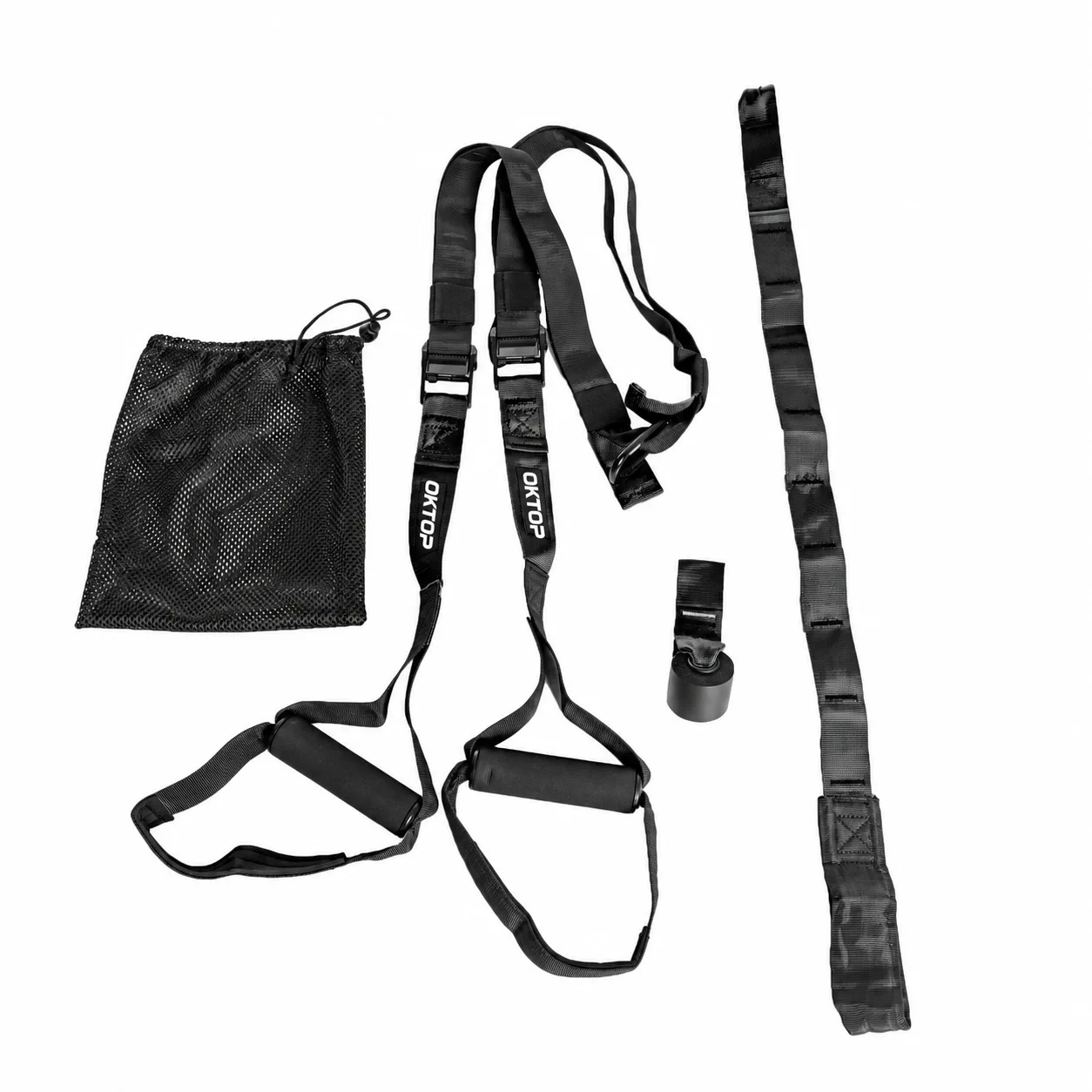
OKTOP currently lists OT5082 Suspension Trainer Set in Training Accessories > Training, Storage & Support Equipment. This guide shows how brands, distributors, gym operators and project buyers can prepare a product-specific sourcing discussion. Product configuration, included items, fixing or mounting requirements, packing and suitability must be confirmed for the selected product and final order.
Define the commercial programme first
Explain how the selected item is intended to sit within the facility or range. A coached studio, a commercial gym, a Functional Training area and a distributor catalogue can each have different commercial questions. Record the planned programme, expected user setting, nearby equipment and whether the buyer is comparing a single product reference or a broader accessory range.
This information helps a supplier respond to the actual brief. It also avoids presenting a general product category as an interchangeable solution for every customer or project.
Make the product reference traceable
Use the exact product code and current catalogued name in the enquiry: OT5082 Suspension Trainer Set. Keep that reference with the current image, requested quantity and quotation version. If a buyer has an existing product reference from another source, attach it as context, but ask for confirmation against the selected OKTOP item rather than assuming that similar names indicate the same configuration.
For distributor planning, a traceable reference can also support clearer catalogue management. Sales teams can discuss the intended programme and order request without having to rely on a generic description after the original enquiry has moved on.
Separate product information from site-dependent questions
If a project has a fixing, mounting or layout condition, state it in the written brief. Request available information for the selected product, then leave final structural, installation and local-compliance review to the appropriate qualified local party. A supplier response can inform commercial planning; it does not automatically approve a particular room, support point or installation method.
Keep access routes, ceiling or room constraints and applicable local requirements in the project record when they matter. Do not turn an early discussion into a final site instruction before the relevant parties have completed their review.
Ask order-specific questions directly
The most useful questions are specific to the product and order. For example, buyers can ask what current product information is available, how the selected reference will be identified on the quotation, which packing information can be confirmed and what documentation should be reviewed for the destination market. If a brand or private-label request is relevant, attach artwork and describe it as a request that needs written confirmation.
Avoid asking whether a generic set is simply "best" for a commercial project. A stronger question identifies the intended programme, selected product reference, quantity and decision criteria.
Prepare a practical sourcing record
Use one simple record for the commercial discussion:
| Topic | Include in the buyer brief |
|---|---|
| Product identity | OT5082, current product name and reference image |
| Programme | Facility or buyer type, intended setting and related equipment context |
| Quantity and destination | Approximate quantity, delivery destination and target market |
| Commercial requests | Branding, packing, documents or inspection requests |
| Open points | Product-specific, site-dependent or local-review questions still awaiting confirmation |
This helps the buyer compare quotations on the same basis. It also helps the supplier identify which information must be checked against the actual selected order rather than a general category.
Keep handover documentation connected to the order
Before shipment, agree the order-linked evidence that matters for the selected item. Depending on the contract, this may include product identity, quantity, visible configuration, packing reference and available documents. Ask for what is relevant to the actual order; do not describe a standard supplier check as independent certification.
At receiving, keep product and packing records linked to the approved schedule. If any question remains open, record it against the product reference before installation or final programme use is assumed.
FAQ
What should a suspension-trainer enquiry include?
Include the buyer or facility type, intended programme, OT5082 reference or a current image, approximate quantity, destination market and any branding, packing, document or site-context request.
Can a supplier confirm the final site arrangement?
Supplier information can support product selection. It does not replace structural assessment, installation approval or local compliance review for a specific project.
Why is the exact product code important for distributors?
It keeps catalogue, quotation, product information and order records aligned. This reduces the risk of a customer discussion being based on a broad category rather than the selected model.
Conclusion
For commercial studios and Functional Training areas, a suspension-trainer request should begin with a clear product reference and programme brief. Keep product information, site-dependent review and order documentation distinct, then ask for confirmation against the final selected order. That gives brands, distributors and project buyers a more reliable basis for quotation.
Building a studio or Functional Training accessory brief? Browse training, storage and support equipment, review OT5082 Suspension Trainer Set or send your requirements with your planned programme, quantity and destination market.