Introduction
Commercial wall bars can be considered for bodyweight, mobility and functional-training programmes, but a product name alone is not a complete project brief. The buyer still needs to connect the selected model to the programme, the room and the commercial order.
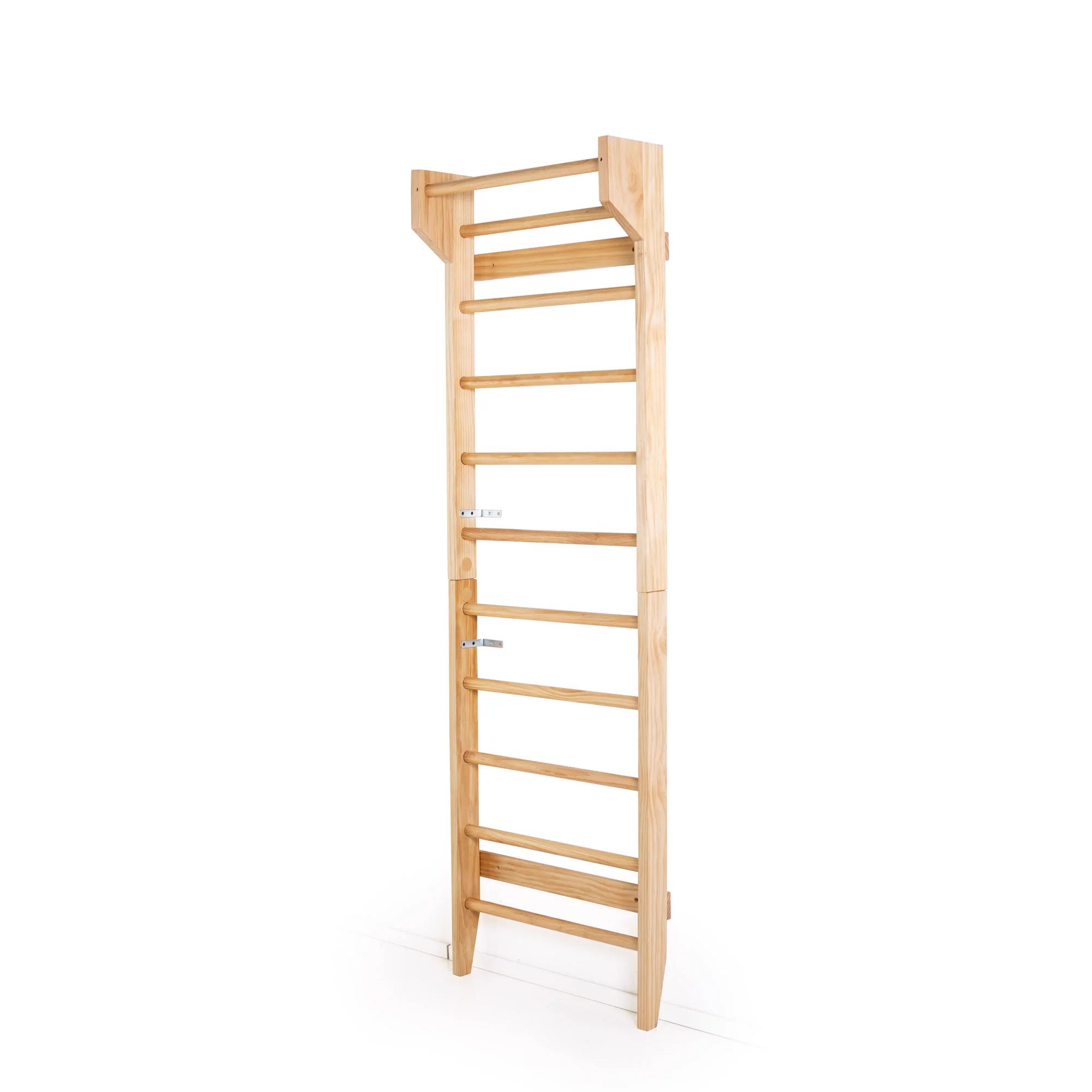
OKTOP currently lists OT5093 Basic Wooden Wall Bars and OT5094 Metal Wall Bars in Functional Training > Racks & Trainers. This guide helps gym operators, studios, distributors and project buyers prepare a focused enquiry without treating category wording or an image as evidence of a final configuration. Dimensions, materials, fixing or assembly requirements, packing and suitability must be confirmed for the exact selected product and order.
Start with the programme, not a generic product label
Describe the planned training context before comparing product references. State whether the request relates to a commercial gym, a coached studio, a mobility area, a Functional Training programme or a distributor range. Identify the intended user group, the level of supervision expected and whether the item is being reviewed on its own or alongside other selected equipment.
This context gives a supplier a useful basis for a product-specific discussion. It also helps prevent a buyer from assuming that every item in a broad category will suit the same layout, programme or customer brief.
Record the active-area context
Share a current room plan or a clear description of the intended area. Mark walls, doors, circulation routes, nearby equipment and services that may affect the planning discussion. The purpose is not to approve an installation from a drawing; it is to make site-dependent questions visible early.
The responsible site team should review local building, safety, accessibility and installation requirements. Supplier information can support a commercial review, but it does not replace project-specific approval by the appropriate qualified local party.
Use exact model references in the enquiry
For each option, record the product code and the current catalogued name. For example, a buyer comparing OT5093 Basic Wooden Wall Bars and OT5094 Metal Wall Bars should keep the two references separate in the enquiry, quotation and later order record. Do not infer the full configuration from a product name or a visual reference.
Ask for current, model-specific information that is relevant to the decision. If a particular configuration, packing request, branding element or documentation item matters, write it into the quotation request. An early conversation, image or broad category label does not automatically make an item part of the final order.
Keep open questions visible
Use a short project schedule rather than leaving important details in separate messages:
| Item | Record before quotation | Confirm for the selected order |
|---|---|---|
| Product identity | Product code and current product name | Final selected reference and visible configuration |
| Programme | Intended use and user setting | Any order-specific requirements |
| Site input | Room plan, access context and relevant local questions | Applicable installation or approval information |
| Commercial scope | Approximate quantity, destination and requested documentation | Quantity, packing and agreed order documents |
This record helps a distributor present a clear option to a customer and helps a project buyer track unresolved questions through quotation and delivery preparation.
Separate product review from site approval
A supplier may provide product information for the selected model. That information does not establish the suitability of a particular wall, fixing method, room or local requirement. Keep these decisions distinct: product identity and commercial documentation belong in the sourcing discussion, while final site review belongs with the appropriate local project parties.
If a buyer has a site-specific requirement, describe it precisely and ask what information is available for the selected product. Mark any unanswered point as pending rather than turning a preliminary statement into an assumed instruction.
Build a quote-ready B2B brief
A useful commercial wall-bars enquiry normally includes:
- Buyer or facility type and intended programme.
- Exact selected product codes or current reference images.
- Approximate quantity and destination market.
- Available room-plan or access-route context.
- Any branding, packing, documentation or inspection request.
- Questions that need model-specific confirmation before an order is placed.
This approach keeps the discussion practical for brands, distributors and commercial projects. It also makes it easier to compare supplier responses against the same written brief.
FAQ
Can a buyer request wall bars using only a category name?
It is better to provide an exact product code or a current reference image, together with the intended training context. This gives the supplier a clearer basis for sharing relevant product information and preparing a quotation.
Does a product page confirm site installation requirements?
No. A product page can identify a model and support a sourcing discussion. Final site conditions, installation approach and local requirements must be reviewed for the specific project by the appropriate qualified local parties.
What should distributors keep on file?
Keep the current product reference, buyer brief, quotation version, requested documentation and any open confirmation points together. That record makes it easier to distinguish selected models and avoid relying on a general category description.
Conclusion
Commercial wall-bars sourcing works best when the programme, product identity and site inputs are documented together. Start with the intended use, use exact model references, keep site approval separate from product selection and make order-specific questions explicit. This creates a clearer route from an early enquiry to a commercial quotation.
Planning a Functional Training or mobility area? Browse commercial racks and functional trainers, review OT5093 Basic Wooden Wall Bars or send your requirements with your programme, quantity and destination market.