Define what the set contains before comparing prices
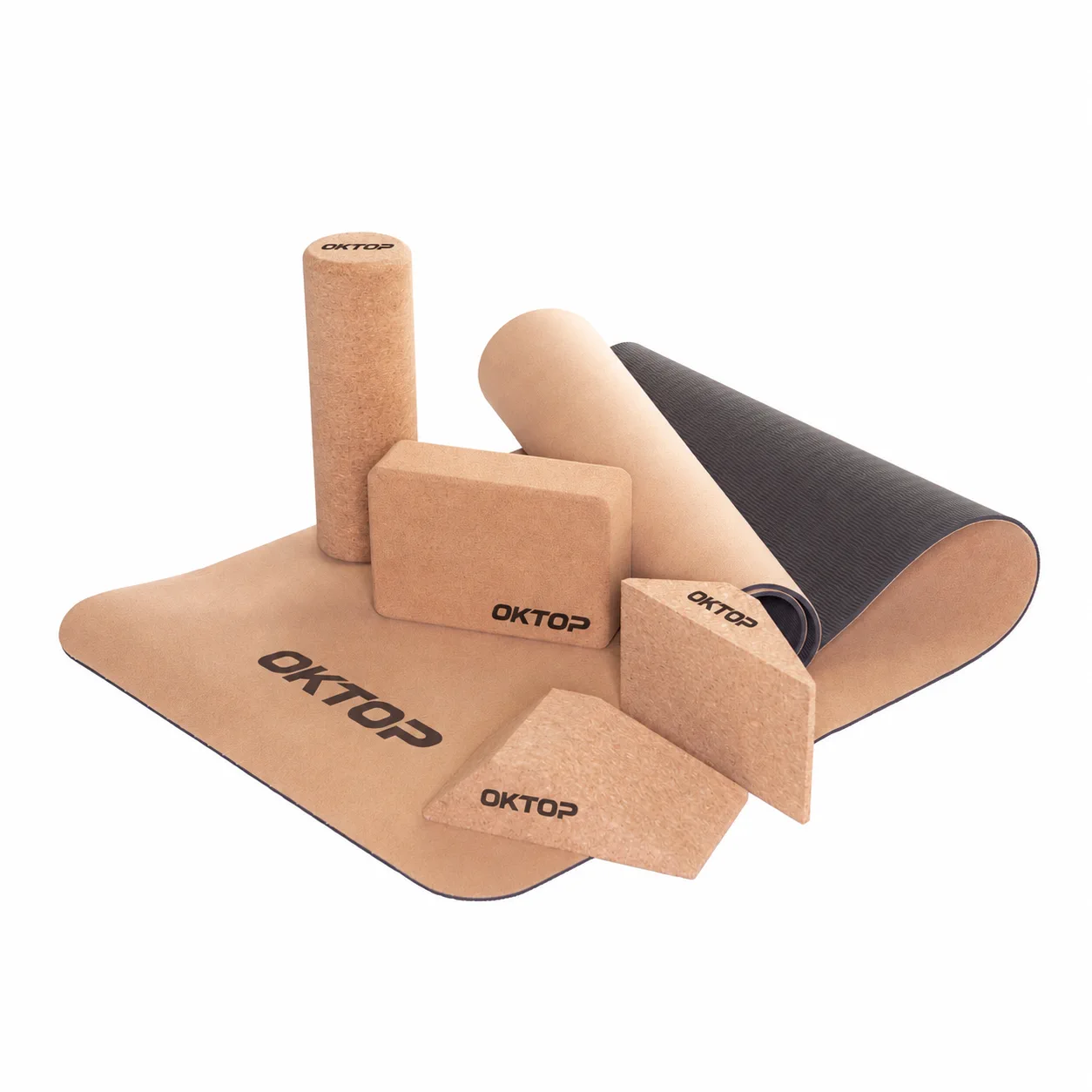
The word set can hide an important purchasing difference: two offers may contain different components, quantities or packaging. For a studio or distributor, the first step is to turn the product name into an exact item schedule. A clear component list is more useful than assuming every supplier uses the same definition of a yoga set.
OKTOP lists OT6069 Cork Yoga Set for studio and movement-training programmes. Use that reference when requesting current product information. The name does not, by itself, confirm the number of pieces, material composition of each component, dimensions, finish, branding options or packing supplied with a particular order.
Build a component-by-component record
Ask for an itemized list supported by current images. Each component should have its own description and quantity per set. If a buyer requires a particular size, construction or finish, state it in the enquiry and obtain written confirmation rather than assuming it is standard.
A practical comparison record can include:
- Set reference and quotation version.
- Component name, quantity per set and confirmed dimensions.
- Material and construction information for each component.
- Colour, finish and any requested logo or label placement.
- Individual protection, outer packing and carton identification.
- Sample approval reference and outstanding questions.
Keeping these fields separate prevents an attractive total price from concealing a different set configuration. It also gives receiving staff a clear basis for checking completeness when the shipment arrives.
Match the order to the studio's operating model
For a studio programme, describe how items will be issued and returned. Will a set stay together throughout a session, or will components be stored separately? Who checks that all components have been returned? Where will cleaning and inspection occur?
These questions affect the purchase brief. A storage plan based on complete sets may differ from a plan that organizes each type of accessory separately. Confirm the actual product dimensions before selecting storage furniture or deciding how many units fit in the intended location.
The operator should determine programme suitability, supervision and room layout. An accessory catalogue is not a substitute for qualified instruction or a site-specific assessment. The buying process should support those decisions without making claims about treatment, injury prevention or guaranteed training results.
Review a sample against the written set specification
A sample review should establish whether the proposed set matches the buyer's brief. Check the number of components, visible finish, labeling and packing against the documented request. Record any requested change and ask for confirmation that it applies to the eventual order, not only to an individual sample.
Ask for product-specific cleaning and storage guidance. Do not assume all components tolerate the same cleaning method or storage conditions. Where the facility has an established cleaning routine, provide that information and request compatibility guidance for the exact materials and finish being offered.
A visual review does not establish an indefinite service life. If a buyer needs a defined test, inspection procedure or documentation package, identify it before the order is finalized and confirm its availability and scope.
Keep material language and environmental claims accurate
Cork in a product name is not evidence that every component is entirely cork. It also does not establish a particular source certification, recycled content, biodegradability or environmental footprint. Those are separate claims requiring appropriate evidence for the exact product.
For customer-facing material, use the confirmed product description and avoid adding environmental badges or statements because they sound attractive. If a destination market or retail customer requires specific documentation, put that requirement in the enquiry and verify it before using the claim publicly.
This approach protects the buyer from promising more than the supplied product record supports. It also makes discussions with a supplier more concrete: the question becomes which evidence exists for the proposed item, rather than whether a broad marketing phrase can be repeated.
Prepare packing, receiving and reorder requirements
For a distributor, define whether the request is for a complete set presentation or another agreed packing arrangement. List barcode, language, labeling and brand-artwork requests separately. Any artwork approval should identify the version and placement; the presence of a logo in a reference image does not establish permission to reuse it.
For delivery preparation, retain the component schedule alongside the purchase order. Agree what carton identification and available packing records the receiving team will use. When reordering, refer to the approved set specification and sample rather than relying only on the original catalogue title.
Prices, minimum quantities, delivery terms and lead times must come from a current quotation. A general guide cannot establish them for a particular configuration or destination.
FAQ
Does OT6069 identify the complete order specification?
It identifies the catalogue product. The actual component list, quantities, dimensions, construction and packing still need confirmation in the quotation and order.
Can a cork yoga set be described as certified sustainable?
Only when appropriate evidence supports that exact claim for the selected product. The word cork alone is not certification.
What should a studio send with its first request?
Send the product reference, programme context, approximate number of sets, destination and any component, storage, labeling or packing requirements.
Make the set easy to compare and receive
An itemized specification, documented sample review and practical storage plan make studio sourcing clearer. They also help distributors present the product accurately without unsupported material or performance claims.
Review OT6069 Cork Yoga Set, explore training accessories, or send your studio sourcing requirements.