Introduction
Training sandbags are often added to a functional-training list at the end of a project. That can make the category harder to quote, inspect and use in the way the buyer intends. A better approach is to treat the product as a defined part of the programme: identify the intended application, reference the selected product, record the expected quantity and make the open product questions clear.
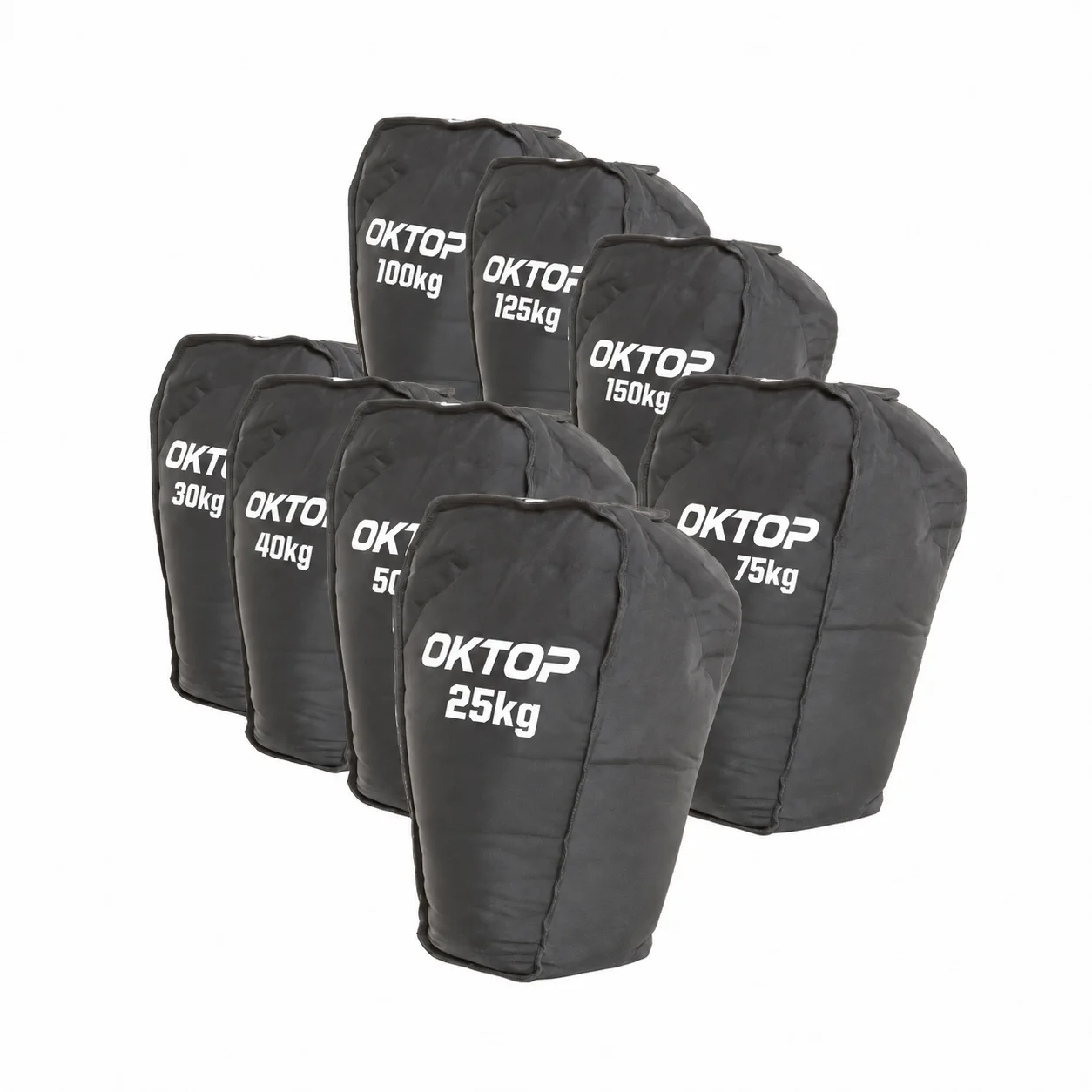
OKTOP lists Training Sandbags, OT6046, under Training Accessories > Agility & Bodyweight. The product overview identifies the format for commercial loaded-movement, conditioning and functional-training programmes. Size selection, quantity and packing requirements need to be confirmed before an order; a category name alone does not establish fill, weight range, fabric, handles, water resistance or other technical details.
This buyer brief gives commercial gyms, studios, distributors and project buyers a practical way to prepare a sandbag enquiry while keeping the published product facts within their verified scope.
Define the programme before choosing the product line
The first question is how the facility expects to use training sandbags. A coached conditioning session, an open-access functional area and a distributor range may all need a different product conversation. Documenting that use case helps the buyer request relevant information without assuming that one format will meet every requirement.
Describe the intended training application
State whether the products are being considered for loaded movement, conditioning, functional training or another buyer-defined programme. Add the facility or customer type and the expected training format. This makes it easier to understand why the category is being included and what further product-specific information is needed.
Do not turn a training goal into a claim about a particular product’s performance. The actual product selection and any technical characteristics should be reviewed against the chosen model and enquiry.
Record the product identity
Use a product code or current product reference in the equipment schedule. OT6046 identifies the OKTOP Training Sandbags listing, but it should not be used as a shortcut for unconfirmed specifications. If a buyer is comparing alternatives, list each reference separately so that quantities, packing questions and product information do not get mixed together.
Plan quantities around the operating brief
Commercial quantities should follow the programme and project needs. Instead of copying a number from another facility, note the expected use pattern, the buyer’s approximate quantity and whether the list is final or still under review. This gives the project team an auditable starting point without implying a recommended stock level.
Consider user flow and return points
When a facility is developing a functional-training area, the equipment list should be considered alongside access, storage and how staff expect the area to be reset. Share the relevant site context or simple layout with the responsible project parties. Final site planning, local safety assessment and product compatibility require review for the particular project and should not be assumed from a generic article.
Keep product and site questions separate
The product enquiry may need to confirm the selected sandbag option, quantity and packing. The site discussion may need to address the intended training setting and local operating requirements. Keeping these as separate lists helps prevent an unverified product characteristic from being used to resolve a site-planning question.
Create a useful B2B sourcing brief
A short, factual brief gives a supplier a better basis for reviewing the request. It should identify what the buyer knows and identify what needs confirmation.
Include:
- The selected product reference, such as OT6046 Training Sandbags.
- The intended commercial application.
- The facility, studio, distributor or project context.
- The approximate quantity and whether it is provisional.
- The destination market.
- Any branding, packing, documentation or inspection request.
- The product details that still require order-specific confirmation.
For OT6046, size selection, quantity and packing requirements should be discussed before order. Do not replace that discussion with an assumption about product weight, filling, outer material, handle construction or resistance to water. Those are product-specific matters that need verified information for the selected model.
Building a training-sandbag brief? Send OKTOP your intended application, product reference, approximate quantity and destination market. The relevant product questions can be reviewed against the enquiry.
Confirm the order rather than the category
The category page can introduce a buyer to the range, but the final commercial record needs to relate to the selected product and order. Before issuing a quote request or buyer-facing catalogue line, check that the model reference, quantity and request scope are clear.
Request current, product-specific information
Ask for current images and the information needed for the actual selection. Where a buyer needs to verify a particular detail, make it an explicit question rather than adding it as a statement based on a generic sandbag description. This is especially important when several buyers, distributors or project teams are working from the same product schedule.
Tie inspection requests to documented requirements
If pre-shipment or receiving checks are needed, agree them against the product schedule and order documents. The check can relate to product identity, quantity, agreed packing information or another documented requirement. It should not be presented as certification or a universal compliance assurance unless that evidence has been supplied for the selected product and destination.
Common buying mistakes
Assuming a category tells you the whole specification
“Training sandbags” identifies a product category. It does not confirm every option or technical characteristic a buyer may need. Ask the relevant questions for the actual product before relying on a description in a commercial document.
Hiding provisional quantities
An approximate quantity is useful when it is labelled as such. Marking an open quantity as final can lead to avoidable confusion during quotation, packing and receiving preparation.
Treating packing as an afterthought
Packing requirements can affect how a commercial order is reviewed. Raise them in the original brief with the product reference and quantity, rather than trying to add them after the product discussion has closed.
FAQ
What is the confirmed OKTOP product reference for training sandbags?
OT6046 is listed as Training Sandbags in Training Accessories > Agility & Bodyweight. It is presented for commercial loaded-movement, conditioning and functional-training programmes.
What should be confirmed before ordering training sandbags?
For the selected product and order, confirm the size selection, quantity and packing requirements. Request any other technical information needed for the enquiry instead of assuming it from the category name or image.
Can a distributor use one generic description for every sandbag option?
It is better to preserve the selected product reference and request current information for each option. A generic description should not be used as proof of fill, material, weight range, handles, performance, certification or availability.
Conclusion
Commercial training sandbags are easier to source when the buyer defines the intended application, keeps the product reference visible and treats open details as questions for the selected order. For OT6046, that means using the confirmed category context while discussing size selection, quantity and packing before order. A requirements-led brief makes the commercial conversation clearer for gyms, studios, distributors and project buyers.
Need a training-sandbag reference for a commercial programme? Explore OKTOP OT6046 Training Sandbags or send your requirements.