Introduction
An adjustable weight bench can look like a small line item in a commercial gym project. In practice, the selection affects the training brief, the equipment schedule and the questions a buyer needs answered before an order is finalised. The useful starting point is therefore not a generic catalogue description. It is a clear record of the intended training application, the exact product reference, the quantity needed and the commercial context around the purchase.
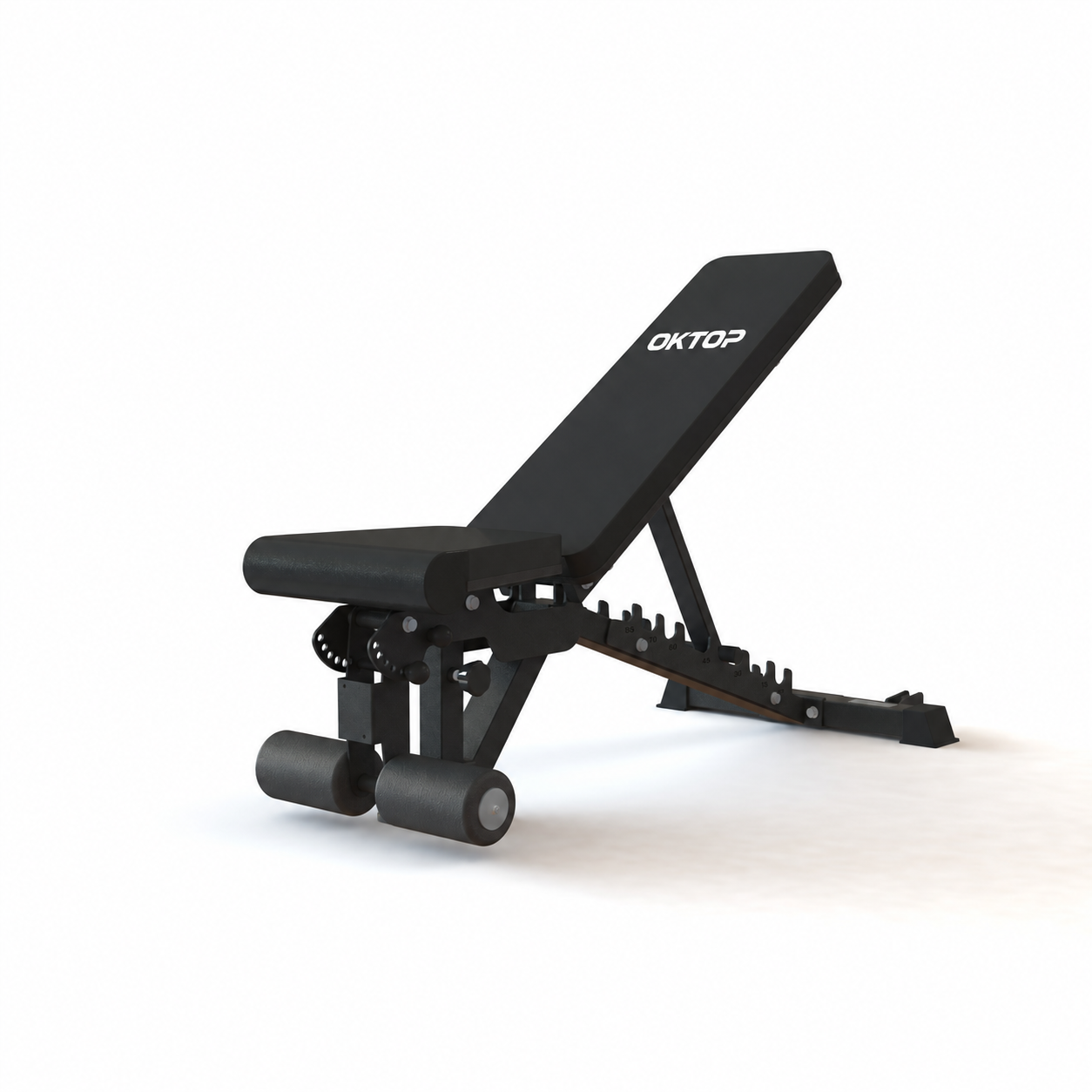
OKTOP lists the Adjustable Weight Bench, OT2064, in Functional Training > Benches. That product identity is a helpful reference for a commercial enquiry. It does not, by itself, confirm dimensions, materials, adjustment positions, load ratings, configuration or other technical details. Those details should be checked against the selected product and order.
This guide helps gyms, studios, project buyers and distributors create a more useful adjustable-bench shortlist without turning an unverified product description into a commercial promise.
Start with the training brief, not the product photo
A bench decision should reflect how the facility expects the equipment to be used. A member gym, a coached studio and a distributor range can all use the same category name while needing different product information, quantities and support items. Before comparing models, document the purpose of the purchase in practical terms.
Define the commercial setting
Record the facility or customer type, the intended training application, whether the bench will be part of a strength or functional-training offer and the expected pattern of use. This gives the buyer a way to evaluate the selected model in its intended setting instead of relying on a generic image or title.
For a project buyer, the brief can also note the adjacent equipment and the location planned for the bench. This is not a substitute for a site assessment; it simply makes the product discussion clearer. Product compatibility, site conditions and relevant local safety requirements must be verified for the actual project.
Keep the model reference visible
Use the product code or a current supplier image wherever possible. For example, an enquiry referring to OT2064 Adjustable Weight Bench gives the commercial team a defined starting point. A phrase such as “adjustable bench like the catalogue image” is less useful because it leaves the configuration and current product details open to interpretation.
If the buyer is reviewing more than one option, give each option its own line in the shortlist. Do not combine several models under one generic product name and assume their specifications are the same.
Shortlist the bench as part of a training system
A commercial bench is rarely considered in isolation. It may sit beside free-weight equipment, racks or other functional-training products. The shortlist should therefore be reviewed with the operating context in mind, while keeping each confirmation tied to the exact product rather than to a category-level assumption.
Review access and day-to-day operation
Ask how users and staff will approach, move around and return equipment within the planned area. A buyer can share a simple project drawing or a description of the surrounding stations as part of the enquiry. The responsible project parties should assess final circulation, site safety and local requirements; a generic bench article cannot determine them.
Set quantities by project need
The required quantity should follow the facility brief, planned sessions and buyer priorities—not a standard number copied from another gym. Put the product code, proposed quantity and status of each line in the equipment schedule. If the quantity is still being reviewed, mark it as provisional rather than presenting it as a confirmed order requirement.
Separate selection from unverified claims
Words such as “commercial” and “adjustable” do not reveal every product detail. Ask for current product-specific information before using any dimension, material, configuration, performance or load statement in a quotation, tender document or buyer-facing catalogue. This keeps the shortlist accurate and helps different teams compare like for like.
Build an enquiry that can be reviewed clearly
A concise enquiry helps the buyer and supplier focus on the relevant product questions. It should state what is known and make the open points explicit.
Include:
- The facility, customer type or distributor programme.
- The intended training application.
- The selected product code or reference image, such as OT2064.
- The approximate quantity and whether it is final or provisional.
- The destination market.
- Any branding, packaging, documentation or inspection requirement that needs discussion.
- Questions that require confirmation for the selected model, including technical details or configuration.
This is more useful than asking for a universal specification sheet because it connects the request to the actual project. It also leaves room for a buyer to request current images and product information before making a final comparison.
Preparing an adjustable-bench shortlist? Send OKTOP your product reference, intended application, approximate quantity and destination market. The product details can then be checked against the relevant enquiry.
Prepare order-specific checks
Once a model is being considered for an order, document the points that need confirmation. Buyers commonly need a shared record for product identity, selected configuration, quantity, current images, packing discussion and any requested documentation. The scope of each item should remain tied to the exact product and order.
Do not quote from an old or generic reference
Product imagery and category descriptions help a buyer explore a range, but they are not a substitute for order-specific confirmation. Before approving a commercial document, check that its product code, model name and requested quantity match the current enquiry. Where technical information is necessary, request it for the exact selected product rather than inferring it from a visually similar bench.
Align inspection and receiving with the purchase record
If the buyer requires inspection or receiving checks, agree the points to be reviewed against the order documents. The checks may concern the selected model reference, quantities, visible identification, agreed packing information or other documented requirements. They should not be described as independent certification or a guarantee of destination-market compliance unless that evidence exists for the specific order.
Common buying mistakes
Treating “adjustable” as a full specification
The category name describes the product format, not every configuration or performance characteristic. Keep the commercial discussion open until the selected model’s details are confirmed.
Selecting a quantity without a facility brief
A quantity only becomes meaningful when it is connected to the intended application, operating format and project priorities. Record the assumptions so the buyer can revise the schedule without creating confusion.
Mixing product references in one line item
If several benches are being reviewed, list each model separately. This prevents a quote, packing discussion or inspection request from being attached to the wrong product reference.
FAQ
What should an adjustable weight bench enquiry include?
Include the selected product code or reference, intended training application, approximate quantity, facility or customer type, destination market and any branding, packaging, documentation or inspection questions. Request product-specific technical information for the chosen model.
Is OT2064 the same as every adjustable bench in a catalogue?
No. OT2064 identifies the OKTOP Adjustable Weight Bench listed under Functional Training > Benches. Configuration and technical details should be confirmed for that selected product and order.
Can a buyer publish a technical specification before it is confirmed?
It is safer to wait for product-specific confirmation. Generic category wording should not be used as proof of dimensions, materials, load ratings, performance, certification or other technical characteristics.
Conclusion
A useful commercial adjustable-weight-bench shortlist starts with the project brief and a clear product identity. Record the intended application, keep the product code and quantity visible, request information for the actual selected model and separate confirmed facts from questions that still need review. That approach gives buyers a cleaner path from initial shortlist to a quoteable commercial enquiry.
Need an adjustable weight bench reference for a commercial project? Explore the OKTOP OT2064 Adjustable Weight Bench or send your requirements.