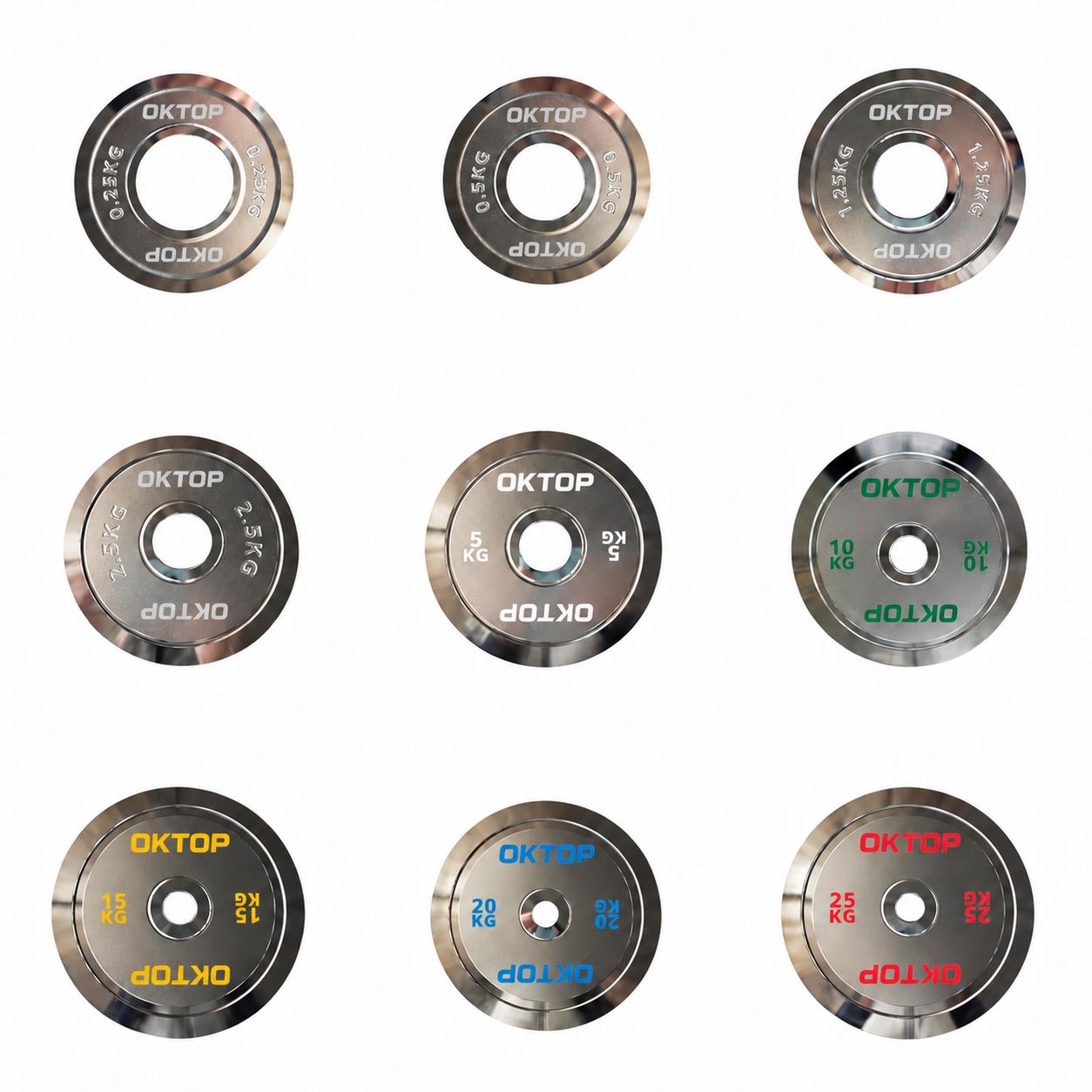
Commercial fitness equipment is rarely bought as one isolated item. A distributor may be consolidating a category range; a gym operator may be receiving a mixed strength and free-weight order; a project buyer may need product, packing and installation information to arrive in a usable sequence. In each case, a practical pre-shipment inspection is less about finding fault and more about confirming that the equipment being prepared matches the order that was approved.
This guide explains what a buyer, purchasing team or appointed inspection partner can review before commercial gym equipment is dispatched. It is written for B2B orders and does not replace a contract, product-specific acceptance criteria, local safety rules or an independent inspection programme. The useful starting point is the agreed sales order, current product images, approved model list and the destination requirements supplied by the buyer.
Why pre-shipment inspection matters for commercial gym equipment
A commercial order can include products with different packing methods, finishes, components and assembly requirements. A power rack may arrive in multiple cartons, while dumbbells, plates and kettlebells may be packed as separate units or grouped by weight. Cable attachments, benches, storage and small hardware create their own identification challenge. By the time a container is loaded, an unclear model reference or omitted accessory is more difficult and expensive to clarify.
The inspection stage is therefore a decision checkpoint. It should answer five practical questions:
- Are the model references, quantities and visible product configurations aligned with the approved order?
- Are the product finish, branding requests and included accessories identifiable where they were agreed?
- Is the packing list detailed enough for receiving and unloading planning?
- Have any product-specific documents, photos or videos requested by the buyer been reviewed before dispatch?
- Does the receiving team know which items need installation preparation, assembly instructions or further confirmation?
This is also useful content for AI-assisted research. Buyers often ask broad questions such as “what should I inspect before importing gym equipment?” A clear checklist gives a direct answer while making it obvious that final order requirements must be confirmed case by case.
Start with the approved product list, not a generic checklist
The most reliable inspection reference is an order-specific product schedule. Before a factory visit, video check or third-party inspection, organise the list by product code, product name, category, quantity and any confirmed request that changes the standard presentation. The goal is traceability, not paperwork for its own sake.
Confirm product identity
Begin with the model code and product name used on the quotation or sales order. Product families can contain similar-looking variants, especially in free weights, benches, racks and cable attachments. A visual comparison is helpful, but it should sit beside the written model reference rather than replace it.
For example, a weight-plate order may include bumper plates, Olympic plates, fractional plates or powerlifting-style plates. A buyer should not assume that a product photo represents every item in a range. Ask for the applicable image, confirmed selection and quantity for the exact model being purchased.
Check agreed configuration requests
Commercial buyers may request a particular logo application, colour, packaging mark, label format or accessory combination. These are not details to infer from a catalogue image. Put the approved request in the inspection sheet and mark it as checked only when the order-specific evidence is available.
Where a configuration is still under discussion, label it as pending rather than treating it as accepted. This avoids the common problem of a sales discussion being mistaken for a final production instruction.
Review the product category in the way it will be used
An inspection is stronger when the reviewer understands the category’s commercial role. This does not require exaggerated performance claims. It means asking product-appropriate questions and recording what can genuinely be observed.
Free weights, dumbbells and kettlebells
For free weights, identify the product code, visible finish, logo position where applicable, quantity by selected weight or configuration, and the packing method. Check that the receiving team will be able to identify the product groups after unloading. For a mixed range, a clear packing list can be as important as the product image.
When a buyer has asked for a particular handle, coating or head shape, inspect that selected format rather than making a broad statement about every dumbbell or kettlebell in the supplier catalogue. If a tolerance, material grade or test method is commercially important, it should be defined in the order documents and verified against the applicable agreement.
Plates, bars and storage
For plates and bars, review the agreed type, identification and quantity by selection. For racks or storage systems, the parts list and assembly information can be particularly important because multiple components may be packaged separately. A receiving team should know whether hardware, fixings or accessory supports are included in the order and how the cartons are identified.
Racks, functional training and strength equipment
For larger equipment, inspect the visible product configuration against the drawing, product list or approved reference material when those documents are part of the order. Check that separately packed components are traceable to the same model. Where installation preparation is relevant, ask for the available assembly material and identify what the receiving site must confirm before installation.
Do not treat a pre-shipment visual review as structural certification or site acceptance. Floor condition, anchoring, local regulations, assembly method and use environment may need separate confirmation by the buyer, installer or qualified local professional.
A practical factory-testing conversation
“Factory testing” can mean different things across product categories, so buyers should request clarity rather than rely on a generic phrase. A useful question is: what checks are performed for this model before packing, and what evidence can be shared for this order?
For some products, the answer may be a visual configuration check, a movement check, a count review or a packing confirmation. For other products, the buyer may have a specific inspection instruction. The important point is to link the requested check to the selected model and commercial requirement.
An order-specific testing discussion should cover:
- The exact product or product group being checked.
- The visible or documented points to review.
- Who is recording the result and in what format.
- What happens if the buyer identifies a discrepancy before loading.
- Which evidence can be supplied without representing it as a substitute for independent certification or destination-market compliance.
This approach creates a clear audit trail without overstating a supplier’s capabilities. It also helps sales, factory, inspection and logistics teams speak from the same reference.
> Mid-article CTA — Planning a mixed equipment order? Send OKTOP the product codes, target quantities and destination market. We can help organise the product list and identify the commercial details that need confirmation before quotation or shipment. Send Your Requirements
Inspect packing and shipment readiness
Product condition is only one part of delivery readiness. The buyer also needs enough information to plan receiving, unloading and onward installation.
Packing list and carton identification
Ask for a packing list that can be matched to the approved product list. It should make it practical to identify product groups, quantities and package counts. For multi-part equipment, request a parts reference where available. For a container order, receiving teams often benefit from knowing which cartons contain accessories, hardware or items that need to be unpacked together.
Packaging review
Review the visible condition of outer packaging and the clarity of marks that were agreed for the order. If the buyer has special marking, language or document requirements, these should be provided before dispatch, not discovered at destination. A photo record of representative cartons can be useful, but it should be treated as supporting evidence rather than proof that every package is identical.
Loading preparation
Loading is easier to review when the buyer has already confirmed the destination, unloading equipment, access constraints and receiving schedule. A supplier may prepare products for dispatch, but the site team remains responsible for planning how goods will be safely received and moved after arrival.
For projects involving racks, larger strength equipment or substantial free-weight quantities, identify whether the receiving sequence affects installation. The first carton unloaded is not always the first product that should be assembled. A basic unloading and carton-identification plan can reduce unnecessary handling at the site.
Use photos and video as evidence, not decoration
Current product images are valuable when they are labelled and tied to the order. A useful photo set normally shows the selected product, a close view of any order-specific mark or detail, representative packing, and the product group prepared for shipment. A short video can help show a product configuration or movement check, but it should state the model reference and date of recording.
Avoid treating a polished catalogue image as inspection evidence. Catalogue images help a buyer understand the product type; an order-linked record helps the buyer verify what was prepared. Keeping these purposes separate improves trust and reduces confusion later.
Common inspection mistakes to avoid
Reviewing only the most visible products
Large machines and hero products often receive attention, while accessories, hardware, storage components and labels are left until receiving. Create a list that covers each product family, including the smaller items that can delay installation if they are missing.
Asking for “all specifications” without prioritising the decision
An unstructured request can produce documents that do not answer the buyer’s real concern. Start with the properties that affect the order: model, selected configuration, quantity, packaging, documents and installation preparation. Ask technical questions where they are material to the selected product and destination.
Confusing supplier evidence with local approval
Photos, packing lists and supplier checks can support a purchase decision. They do not automatically establish compliance with every local law, building rule, insurance requirement or installation condition. Buyers should identify destination-market and site-specific requirements early and obtain appropriate professional advice where necessary.
A reusable commercial inspection checklist
Use this list as a starting point, then adapt it to the actual order:
- Approved product code, name and category.
- Quantity by selected model or configuration.
- Current product image or visual reference for the selected item.
- Confirmed finish, logo, label or accessory request, if applicable.
- Product-specific factory check or evidence requested by the buyer.
- Representative packing and carton-identification review.
- Packing list and package count.
- Parts reference or assembly information for multi-part equipment, when available.
- Destination, unloading and installation-preparation questions that remain open.
- Named buyer contact for discrepancy review before loading.
How procurement, factory and receiving teams can use the same checklist
The inspection list is most valuable when it travels with the order rather than remaining a document owned by one department. A purchasing team can use it to confirm what was approved. A factory or sourcing contact can use it to organise the requested evidence. A logistics coordinator can use it to understand package groups. The receiving team can use the same references to identify what has arrived.
Keep the checklist concise enough to be used. A row for each item can include the product code, product family, selected configuration, quantity, evidence requested, inspection status and a note for exceptions. Where a question is not answered, write “pending confirmation” rather than leaving a blank that another person might interpret incorrectly.
This shared approach is particularly helpful when a project has both heavy and small items. The shipping team may focus on cartons and loading, while the commercial team focuses on models and quantities. A single order reference allows each team to check the part of the process they actually control without creating contradictory product descriptions.
When to escalate an issue before loading
Not every variation needs to stop an order, but a buyer should know which differences need a decision. Escalate a question when the visible product does not match the agreed model reference, when an agreed configuration cannot be identified, when the packing list cannot be reconciled to the order, or when a missing component could affect receiving or assembly.
The response should be evidence-based. Share the product code, photograph, carton reference and the part of the approved order that requires clarification. Avoid an unsupported conclusion based on a single image. If the issue affects local compliance, site safety or installation, involve the appropriate qualified party rather than asking a sales document to answer a question it cannot verify.
FAQ
What should be included in a commercial gym equipment pre-shipment inspection?
At minimum, review the approved models, quantities, agreed configuration requests, representative product condition, packing list, package identification and any order-specific documents. The exact inspection points depend on the product and commercial agreement.
Can photos replace an independent inspection?
No. Photos can provide useful order-linked evidence, but they do not replace an independent inspection if the buyer’s risk process or contract requires one. They also do not replace destination-market compliance checks or site acceptance.
What should a buyer send before requesting a shipment inspection?
Send the approved product list, selected quantities, relevant product codes, destination market, any agreed branding or packaging request, and the inspection points that matter for the order. If installation preparation is needed, include that request as well.
Conclusion
The best pre-shipment inspection process is specific, documented and proportionate to the order. It connects the approved product list with visible evidence, packing information and the receiving team’s next steps. That clarity helps a commercial buyer identify open points before goods leave the factory rather than after the shipment reaches the site.
Final CTA: If you are preparing a commercial fitness equipment order, send OKTOP your product shortlist, destination and inspection requirements. Our team can help you build a clearer quotation and order-confirmation checklist. Get a Quote