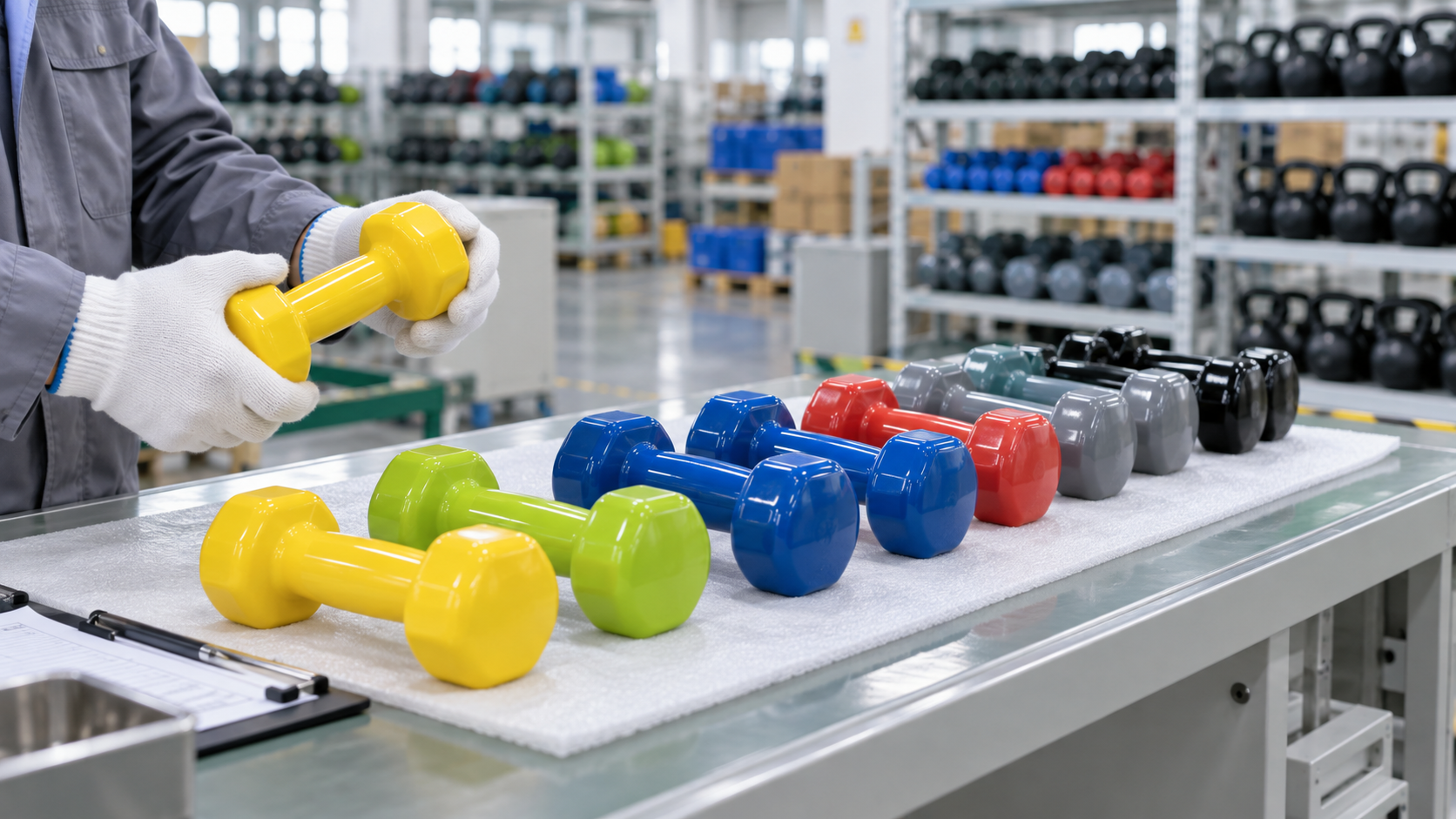
Commercial fitness equipment buyers often use “OEM” and “private label” as if they mean the same thing. They do not. Both can support a distributor, fitness brand, gym chain or project buyer, but the two routes create different responsibilities for product selection, branding, technical confirmation, approvals, packaging and after-sales preparation.
The useful starting point is simple: decide whether you need an existing commercial model with your own brand presentation, or whether the product specification, construction or feature set itself needs to change. This guide helps buyers make that decision before they request a quotation.
The direct answer
Private label normally means applying a buyer’s branding to an existing product platform. OEM normally involves a deeper buyer requirement: a product-specific brief, a technical modification, a buyer-provided design, or a configuration that needs development review. Neither route is automatically better. The right route is the one that matches the buyer’s product position, launch plan and ability to manage approvals.
What private label gym equipment usually involves
Private label generally starts with a commercial product that already exists. The buyer chooses products from an available range, then confirms the brand presentation and order-specific details. Depending on the product and agreed scope, this may include:
- Logo placement
- Colour selection
- Upholstery or stitching options
- Product labels
- Carton marks
- Packaging inserts
- Manuals or product documents
This approach is often suitable for distributors and fitness brands that need a coherent commercial range without beginning a new product-development program. A buyer may select dumbbells, weight plates, benches, racks, cable attachments and storage solutions, then build a consistent visual identity across the chosen models.
Private label does not mean every detail can be changed on every product. The available branding method depends on the product material, shape and production process. Screen printing, laser marking, moulded marks, embroidery, decals and labels create different results and should be confirmed model by model.
What OEM gym equipment usually involves
OEM equipment can begin with an existing platform, but it goes beyond standard branding choices. A buyer may need:
- A buyer-provided drawing, sample or target specification
- A different material, finish, upholstery or accessory configuration
- Product dimensions or functional requirements that require review
- New packaging or documentation for a defined market
- Custom tooling or product components
- A tailored product combination for a specific channel or project
OEM is valuable when there is a clear commercial reason for the difference. It should not be treated as a shortcut for “anything is possible.” Each requested change needs to be assessed for manufacturability, repeatability, testing, packing, installation and future service support.
OEM vs private label: compare the work, not only the logo
| Decision area | Private label | OEM |
|---|---|---|
| Starting point | Existing product platform | Existing platform with changes, or buyer-specific requirement |
| Main focus | Product selection and brand presentation | Product brief, technical review and controlled approvals |
| Buyer input | Logo files, colour direction, packaging details | Product requirements, references, drawings, intended application and branding |
| Approval scope | Product and artwork confirmation | Technical, sample, branding, packing and production confirmation |
| Commercial risk | Lower when standard options are selected | Higher when changes are unclear or not documented |
The distinction matters because product approval and artwork approval are not the same. Approving a logo proof does not confirm dimensions, construction, accessories, packing or replacement-part compatibility.
Start with the customer requirement
Before discussing factory capability, define who will use the products and how they will be sold or installed.
For a distributor, clarify the target market, expected price position, first product categories, showroom needs and plans for repeat orders. For a commercial gym or project buyer, clarify the facility type, user flow, training formats, floor space and receiving plan. For a fitness brand, clarify product-family consistency, desired logo locations, packaging treatment and internal approval process.
This prevents a common mistake: requesting broad OEM capability before the buyer has defined which products need to be different and why. A written brief is more useful than a general request for a “best price.”
What to confirm before requesting a quote
Build a model shortlist
Start with category and model codes where possible. A shortlist helps identify the correct product platform, standard features, available options and packing arrangement. It is more reliable than a collection of unlabelled product photos.
Useful categories may include free weights, benches, racks, functional trainers, cable attachments, storage systems and conditioning equipment. A buyer does not need to select the entire catalogue at once. A clear first-order range is usually easier to approve, receive and sell than an oversized assortment.
Separate visual changes from structural changes
A colour request and a structural change are not equal. Visual changes may include branding, colour and packaging. Structural changes may affect dimensions, adjustment mechanisms, frame geometry, materials, moulded components or accessories. These need a more formal review, especially when the product will be used in a high-traffic commercial environment.
Define an approval sequence
A practical sequence can include:
- Product shortlist confirmation
- Brand-position and artwork confirmation
- Sample or pre-production approval where required
- Packing and carton-mark confirmation
- Factory testing evidence relevant to the agreed product
- Shipment inspection preparation
The sequence creates a traceable record. It also makes it easier to identify whether a question concerns the product, the brand presentation, the packing or the shipment.
> Planning a branded commercial equipment range? Send OKTOP your target categories, branding direction, destination market and estimated quantities. Send Your Requirements
How to review factory testing and order evidence
Commercial buyers should ask what evidence is available for the selected model and agreed configuration. The objective is not a generic promise. It is a clear understanding of how the supplier can confirm product identity, finish, movement, assembly, accessories and packing for the order being prepared.
For strength and functional equipment, relevant order evidence may include product model identification, adjustment or movement demonstration, visible frame and fastener review, upholstery and accessory checks, packing presentation and carton-mark confirmation. The appropriate checks depend on the product category and the buyer’s requirements.
Factory testing should be connected to the actual model and order scope. If an independent inspection is required by the buyer’s policy, destination market or order value, raise that requirement before production is complete. Supplier evidence and independent inspection can support each other, but they are not the same thing.
Packaging, documentation and repeat-order preparation
Packaging should be considered before the end of the project. Confirm product labels, manuals, carton marks, language needs and packing references before shipment preparation. For multi-part equipment, ensure that the parts list and assembly information can be matched to the correct model.
For future replenishment, keep an approval record that lists product codes, logo positions, colour references, packaging requirements and any agreed changes. This does not guarantee that every future order is identical, but it gives both parties a practical reference for the next discussion.
Commercial buyers should also consider expected wear items, hardware, upholstery, accessories and replacement components where those are relevant to their service model. The right after-sales plan varies by product type and local market; it should not be assumed from a catalogue image.
Common mistakes to avoid
Treating artwork approval as product approval
Keep technical and visual approvals separate. A confirmed logo position does not confirm the full product configuration.
Choosing too many categories for the first order
Start with the categories that fit the buyer’s sales channel, customer demand and storage capacity. A coherent launch range is easier to present than a long list of unrelated items.
Leaving packing decisions until shipment
Late changes to labels, carton marks or documents can create unnecessary confusion. Confirm the commercial details before packing begins.
Assuming an OEM request is automatically a new product
Some requests are standard private-label options. Others need engineering review. Ask the supplier to identify which is which before setting expectations with your own customer.
FAQ
Is private label gym equipment the same as OEM?
No. Private label normally applies a buyer’s brand to an existing product platform. OEM can include deeper product, specification or packaging changes. The final scope should be confirmed model by model.
Can a logo be added to every fitness product?
Not automatically. The available method depends on the product material, shape and production process. Confirm the proposed placement and method before artwork approval.
Should a buyer request samples?
Samples can be useful when product construction, finish, branding treatment, packaging or market fit needs confirmation. The appropriate sample process depends on the product and project scope.
What should be checked before shipment?
Review model identity, quantity, agreed configuration, visible condition, accessories, packing, carton marks and any order-specific documentation or inspection requirement.
Conclusion
OEM and private label are two sourcing routes, not interchangeable labels. Private label is often the practical choice for a buyer who needs established commercial equipment with a consistent brand identity. OEM is appropriate when a defined product difference justifies a deeper review and approval process.
The strongest projects begin with a clear brief, model-specific confirmation, relevant factory-testing evidence, practical packaging preparation and a shipment inspection plan that reflects the actual order.
Ready to discuss a branded commercial equipment range? Share your product shortlist, branding files, target market and estimated quantities with OKTOP. Get a Quote