Introduction
Plyometric boxes are compact products, but they affect much more than a single exercise. In a commercial gym or studio, they influence class flow, floor planning, storage and how clearly a training area can be reset between users. For a distributor, they also need a simple product story and an order reference that can be quoted accurately.
This guide helps buyers prepare a clearer commercial enquiry. It does not assume that a product format, height option, construction, finish or suitability applies across every item. Confirm product-specific information, quantities and intended use against the relevant model and order.
Start with the training format
The first question is how the box will be used. A coached group session, an open-access functional area and a personal-training studio do not necessarily need the same quantity or arrangement. Record the intended programme, expected class size, user experience level and whether the products will remain in one station or move around the floor.
Group-training and coached sessions
In a class environment, the practical issue is often reset time. Users need enough room to approach, use and return the product without crossing another station. Consider whether the session requires several matching items, an organised progression or a separate storage point between rounds. A floor plan that looks efficient on paper can become crowded when several people arrive at the same time.
Open-access functional areas
For an open gym floor, make product identification and return locations easy to understand. The selection should sit alongside the wider functional-training plan: traffic routes, nearby racks or sled lanes, coach sightlines and cleaning access. Keep active user space separate from the storage or return area.
> Planning a functional-training order? Send OKTOP your facility type, intended application, approximate quantity and destination market. We can help organise the product questions for a clearer enquiry.
Compare the selected products through a commercial brief
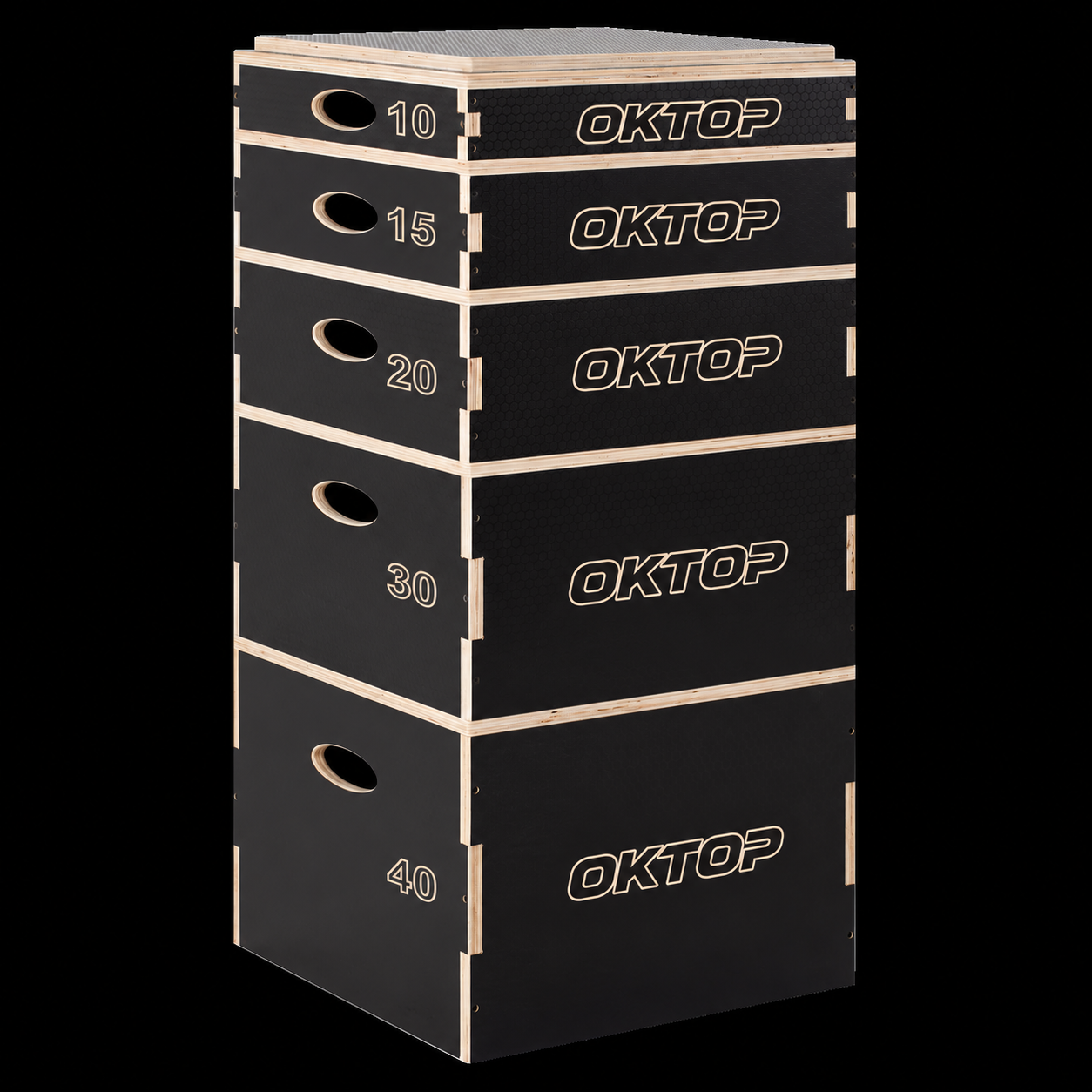
Avoid asking for a generic “best plyo box.” Instead, share the intended use and ask for current product references for the models under review. A good brief can include the selected product code or reference image, quantities, expected users, floor-plan context, storage need, destination market and any packaging or documentation request.
Review product identity before price
Two product names can describe different formats or configurations. Keep the current product code, image and selected option beside each quotation line. If a point is not decided, label it as pending and request suitable options rather than treating an early image as the final order specification.
Plan space around, not only under, the product
The working area includes the approach, landing or step-off direction, coaching space and a route for other gym users. Final spacing, surface conditions and local safety requirements need assessment by the responsible site team and qualified local parties. Supplier information can support product selection but should not be treated as site approval.
Storage, receiving and inspection preparation
Storage is part of the product decision. Decide where boxes will be kept between sessions and whether that location affects a walkway, exit, cleaning route or neighbouring equipment. Confirm the selected product and storage arrangement against current information rather than assuming compatibility from a catalogue image.
For a mixed project order, keep the product schedule with the packing list. An order-specific factory check or pre-shipment review may cover the approved product code, selected configuration, quantity, representative packing and package identification. Ask what is actually checked for the selected product. Factory evidence should not be represented as independent certification or a substitute for site acceptance where either is required.
FAQ
What should a commercial plyometric-box enquiry include?
Include the facility type, intended training format, selected product references, approximate quantity, floor-plan or storage context, destination market and any branding, packing or inspection request.
Should plyometric boxes be planned with the wider training area?
Yes. Their active use and storage affect circulation, class flow and the available working space around nearby equipment.
Can a supplier confirm site safety or local compliance?
A supplier can provide product-specific commercial information. Site conditions, local requirements and safe operating arrangements should be reviewed by the appropriate qualified local parties.
Conclusion
The most useful commercial plyometric-box selection starts with the training format, not a standalone product image. Define users and class flow, connect the selected products to a workable floor plan and storage position, then document the order-specific information needed for quotation, inspection and receiving.
Need a clearer functional-training brief? Explore OKTOP training accessories or send your requirements with your product list and destination market.