Introduction
Rubber and urethane dumbbells can both be appropriate for a commercial gym. The better choice depends on the facility’s training model, expected daily use, visual standard, storage system and project budget. Material is important, but it is only one part of a commercial dumbbell decision.
This guide helps gym operators, distributors and project buyers compare the two categories without relying on generic claims. It focuses on the questions that should be answered before a model is approved for production or shipment.
Start with the training environment
The first question is not “Which material is better?” It is “What will happen to this dumbbell range every day?”
High-volume commercial clubs need a broad, clearly marked range that works with the rack and can be returned quickly between users. Boutique studios and hotel gyms may place greater importance on consistent finish and presentation. Functional training zones may favour a hexagonal format where flatter sides help keep equipment stable during floor-based movements. Distributors may need both a practical core range and a premium option for different customer segments.
What buyers mean by rubber dumbbells
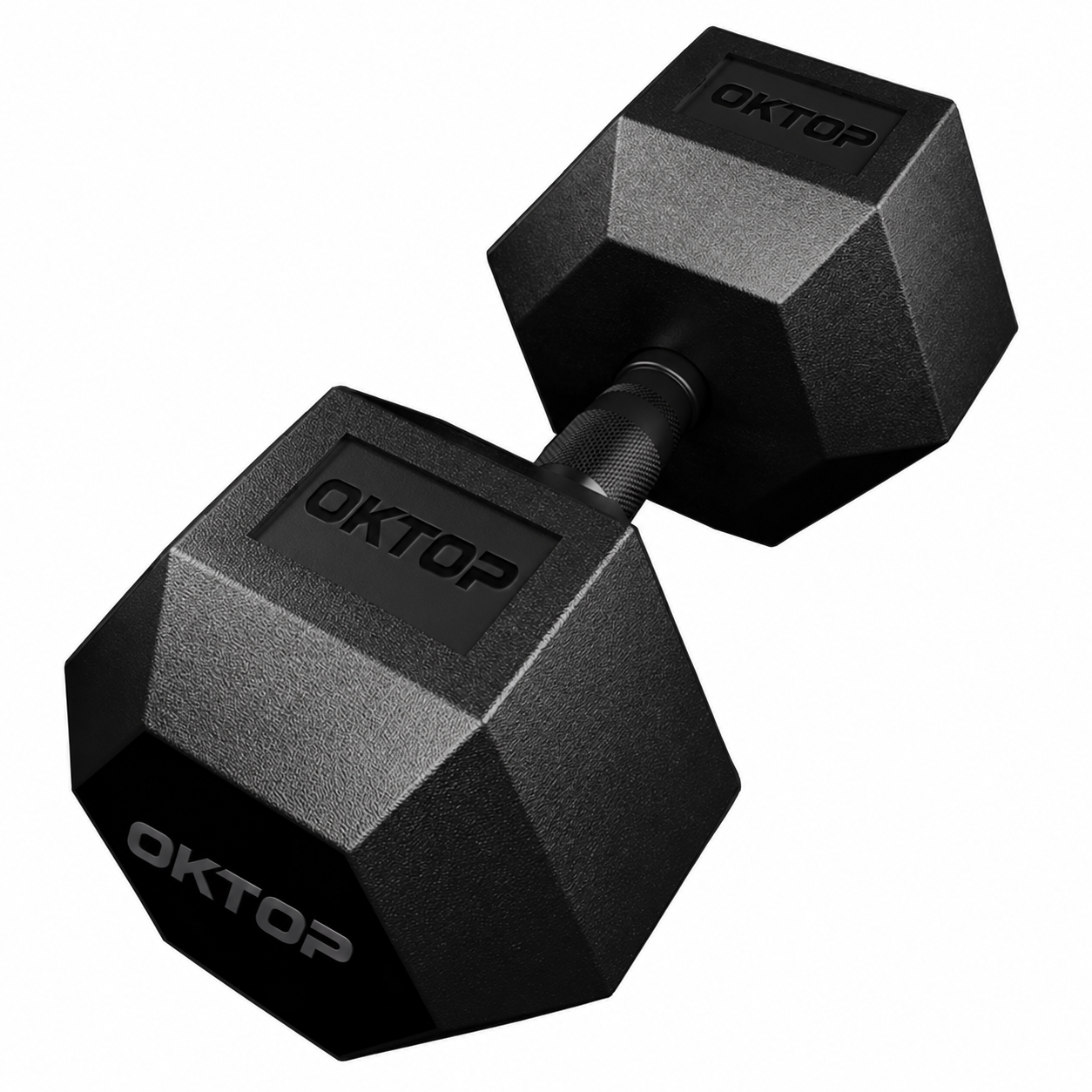
Commercial rubber dumbbells commonly use a metal core and handle with rubber-covered heads. They are often selected for broad commercial ranges because they offer a familiar gym-floor appearance and a controlled starting budget.
When evaluating a rubber dumbbell, ask for the head shape, available range, increment, handle construction, grip finish, weight marking, logo method, compatible rack and export packing information. A well-specified rubber dumbbell can be a strong commercial choice; the category name alone does not prove construction quality.
What buyers mean by urethane dumbbells
Urethane dumbbells are frequently considered for premium clubs, hotel projects and branded studios where finish and visual consistency are important. They are commonly positioned as a higher-investment option for facilities that want a refined free-weight presentation.
The product should still be assessed model by model. Confirm material construction, colour reference, marking method, handle finish, head shape, rack compatibility and packaging. Do not assume every product described as urethane has the same fit, appearance or commercial purpose.
Rubber vs urethane: the commercial comparison
| Decision factor | Rubber dumbbells | Urethane dumbbells |
|---|---|---|
| Typical positioning | Broad commercial and value-led programs | Premium commercial programs |
| Initial project budget | Often more controlled | Often higher initial investment |
| Visual objective | Practical commercial presentation | Refined brand and facility presentation |
| Key checks | Handle, range, head construction and rack fit | Material construction, finish, colour and branding |
| Best selection method | Match the range to the training model | Match the product finish to premium project requirements |
The table is only a starting point. A decision should be based on the selected model, not on a material label.
Head shape is a separate decision
Material and head shape should be reviewed separately. Hexagonal dumbbells can be practical for renegade rows, dumbbell push-ups and other movements where the product needs to stay in place on the floor. Round dumbbells can create a more uniform visual presentation on a rack.
Choose the shape around the training programme, member profile and storage system. If the facility includes a functional zone, confirm whether the dumbbells will regularly be placed on the floor as well as returned to a rack.
Build the correct weight range
A commercial dumbbell set should reflect user demand rather than a standard list copied from another facility. A compact hotel gym may need lighter weights and smaller increments. A full club may need a broad range, while a coached studio may benefit from duplicate popular pairs for class flow.
Confirm the starting and ending weight, increment, metric or imperial marking, duplicate-pair requirement, rack type, floor space and expected expansion. Mid-range weights often receive the highest daily use, so they should be easy to access and return.
Inspect the handle and marking
The handle is the user’s contact point. Ask for clear information on handle diameter, grip length, knurling or texture, surface finish and the transition from handle to head. During factory testing or pre-shipment review, check that handle appearance, weight marking and pair presentation are consistent with the approved reference.
For private-label projects, approve the logo artwork, position, colour reference and weight-marking format before mass production. Small inconsistencies become highly visible when they are repeated across a full dumbbell range.
Plan storage at the same time
Dumbbells should be quoted with compatible storage. The rack must suit the pair count, head shape, total loaded weight, safe loading height and available aisle clearance. If a buyer is combining different styles of dumbbell, confirm actual fit before production rather than assuming one rack will display all products well.
Storage is also a product-longevity decision. A clear return position reduces the chance that dumbbells are left on walkways or repeatedly dropped into unsuitable locations.
Mid-article CTA
Comparing commercial dumbbell ranges? Send OKTOP your target weight range, material preference, brand requirement and destination country for a model-specific recommendation with compatible storage options.
Shipment inspection checklist
Before shipment, compare the completed order with the approval record. Useful points include:
- Quantity by weight and pair matching
- Correct weight marking and logo placement
- Surface consistency and visible cosmetic defects
- Handle condition and finish
- Rack hardware and accessory count
- Carton labels and packing condition
- Product photos before container loading
If the order is for distribution, confirm carton labels and product-image availability needed for the local catalogue.
FAQ
Are urethane dumbbells better than rubber dumbbells?
Not in every project. Urethane may suit a premium facility that prioritizes finish and presentation. Rubber may be a practical commercial option when broad range coverage and controlled budget are priorities.
Are rubber hex dumbbells suitable for commercial gyms?
They can be suitable when the construction, handle, range, rack and intended usage match the facility. Compare model-specific details rather than relying only on the category name.
Should a gym choose kilograms or pounds?
Choose the format that matches the target market, existing equipment, member expectations and programme design. Confirm the marking before production.
Conclusion
The right dumbbell material is the one that matches the facility’s use, visual standard and procurement plan. Evaluate the construction, range, handles, storage, branding and inspection method alongside the material decision.
Need a commercial dumbbell quote? Contact OKTOP with your preferred range, material, logo requirement and destination market.