Build the shortlist around product types and the project brief
Lower-body equipment is often requested as part of a wider strength-training or commercial gym project. The more useful first step is not to ask for a vague “leg machine package,” but to identify the product types that fit the planned range and the information the buyer needs before approving them.
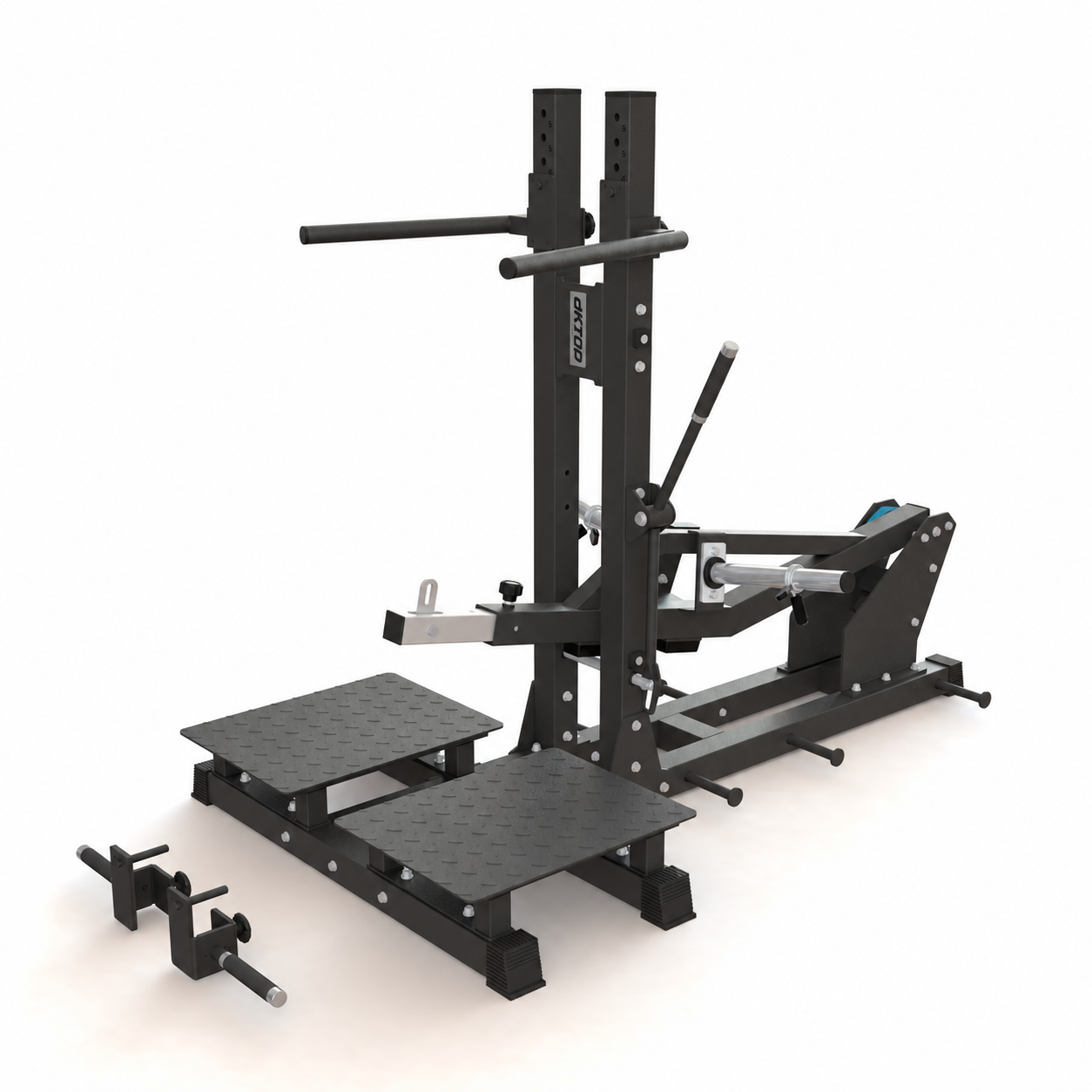
OKTOP currently lists commercial lower-body product references including OT2066 Vertical Leg Press Machine, OT3048 Belt Squat Machine and OT5149 Floor Glute Ham Developer. These product names and codes help buyers, distributors and project teams identify the items being discussed. They do not by themselves confirm dimensions, materials, loading arrangement, supplied components, floor requirements, installation method or suitability for a particular facility.
Separate the product shortlist from the layout decision
Product selection and facility layout are connected, but they are not the same task. The commercial brief should identify the intended training area, anticipated user flow, available room context and the product types the buyer wants to review. The responsible project and facility teams can then assess the site with the confirmed product information.
For an early shortlist, record:
- the product code and catalogue name for every item under review;
- the intended commercial setting, such as a gym floor, studio or distributor range;
- the approximate quantity of each product type;
- the destination market and receiving constraints;
- any requested label, documentation or packing requirement; and
- the product and site questions that must be confirmed before the final selection.
This gives suppliers a focused request and prevents a buyer from comparing unrelated product formats simply because they use similar category language.
Confirm the exact product before making a project decision
Commercial lower-body machines can differ substantially between individual references. Do not infer a product’s loading system, adjustment range, footprint, frame construction, assembly requirement or intended user limit from the category name, a photograph or a competitor’s listing.
Instead, ask for the confirmed information for each selected reference. Depending on the project, the buyer may need product descriptions, current configuration details, applicable instructions, required clearance information, packing details or drawings to support an internal review. If a point cannot be confirmed, keep it open in the project record rather than filling the gap with an estimate.
For a distributor, the same discipline helps maintain consistent listings. Product names, codes and approved descriptions can be retained with order-specific notes so that customer-facing information remains aligned with what has actually been confirmed.
Use samples, documents and inspection plans appropriately
Where a sample review is appropriate, compare the selected item with the written product brief. Confirm the product identity, visible configuration and supplied components against the information agreed for that review. A sample should resolve specific questions; it should not be presented as proof of an unverified performance result, capacity or long-term outcome.
If the buyer requires factory testing, third-party inspection or particular documentation, agree the requirement, method and acceptance evidence before production or shipment preparation. Before shipment, a practical order record can cover product identity, quantity, labels and packing. It should reflect the actual order rather than a generic checklist copied from another project.
Keep quotations comparable and receiving checks practical
Use the same confirmed product references and quantity assumptions when asking suppliers for comparable offers. Separate product selection from optional services, packing, shipment arrangements and destination-specific requirements. This makes it easier for the purchasing team to see which points are confirmed and which still need a response.
At delivery, the receiving team can compare the shipment with the approved product schedule and document visible packing or identification issues while the relevant labels and packaging are available. Site installation, operating procedures and safety decisions should be handled by the appropriate qualified parties using the confirmed product information and applicable local requirements.
FAQ
Which lower-body product references are used in this guide?
The guide refers to OT2066 Vertical Leg Press Machine, OT3048 Belt Squat Machine and OT5149 Floor Glute Ham Developer as current examples from the OKTOP Commercial Lower Body Machines category.
Can a buyer rely on the category name to confirm machine specifications?
No. Product-specific details must be confirmed for the exact selected reference. A category page or image is not a substitute for the relevant product information.
What should a commercial lower-body equipment enquiry include?
Include the selected product codes, intended commercial setting, approximate quantities, destination market, project context and the product, documentation or packing points that need confirmation.
Start with a traceable commercial shortlist
A lower-body equipment purchase is easier to compare and review when every product code is connected to a real project brief and a clear list of questions. That provides a more dependable starting point for product information, quotations and delivery preparation.
Browse commercial lower-body machines, review OT3048 Belt Squat Machine, or send your gym-project requirements.