Introduction
A request for a commercial weight sled area is sometimes sent as a single instruction: “we need a sled lane.” That is not enough to identify the product, understand the intended application or prepare a clear commercial enquiry. A more useful brief distinguishes between the product being considered, the site information held by the buyer and the details that need confirmation for a specific order.
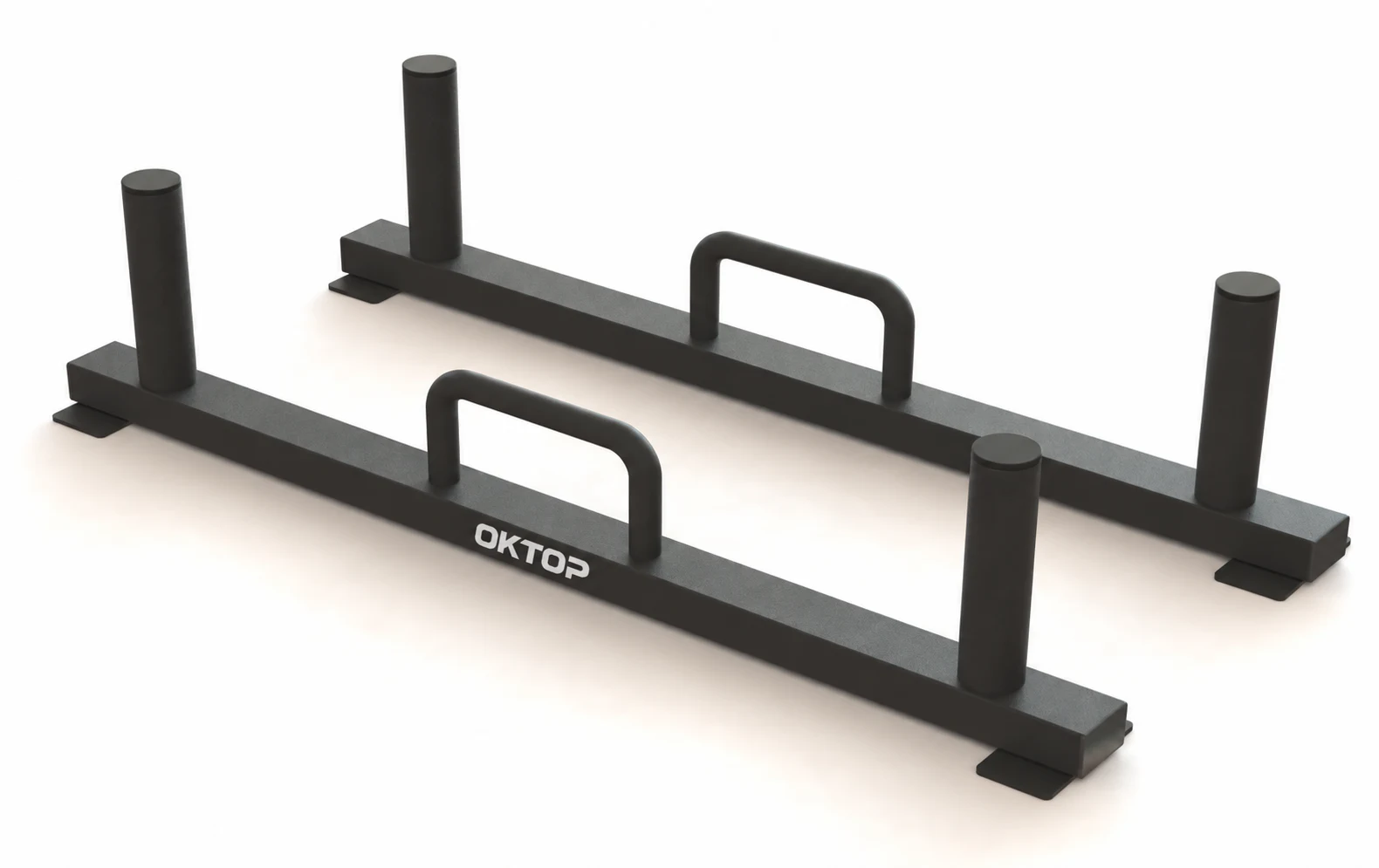
OKTOP lists Weight Sled, OT5119, in Functional Training > Racks & Trainers. The product reference can anchor a sourcing conversation, but it does not confirm dimensions, material, loading capacity, surface compatibility, resistance, lane size, configuration or other technical characteristics. Those points must be checked for the selected product and project.
This checklist is intentionally narrower than a general functional-training-zone guide. It helps a commercial gym, studio, distributor or project buyer prepare a focused sled-area enquiry without representing unverified specifications as facts.
Separate the product decision from the site brief
The equipment product and the proposed training area are related, but they are not the same question. A buyer can identify a Weight Sled reference while the project team separately reviews the site and local operating requirements. Keeping those two records separate makes it easier to see what has been confirmed and what still needs qualified review.
Identify the commercial purpose
Start with the intended application, facility type and anticipated operating format. For example, note whether the request relates to a commercial gym, a coached studio, a distributor programme or a project equipment list. This context helps the buyer explain why a sled area is being considered without suggesting that one generic arrangement will fit every site.
Use a defined product reference
Where a buyer is considering the OKTOP listing, record OT5119 Weight Sled in the equipment schedule. Add a current image or product link if one is available. If multiple sled products are being considered, list them separately so the team does not attach a configuration, quantity or packing question to the wrong model.
Gather the site inputs that the project team needs
The buyer should provide the available site information rather than infer a finished layout from a product image. A simple plan, a description of the surrounding training area and the intended route can all help the appropriate project parties review the request.
Share the actual project context
Useful inputs can include the proposed location, nearby equipment, expected user group, intended activity and any known site constraints. The facility owner and responsible qualified parties should assess the final site conditions, local building requirements, operating procedures and safety matters. This article does not provide a prescribed lane dimension, surface recommendation or installation method.
Keep technical questions explicit
If the buyer needs confirmation about the selected sled, include that question in the enquiry. Do not assume surface compatibility, plate capacity, materials, coatings, resistance or product performance from a generic sled name. Product-specific technical information must relate to the selected model and the order under review.
Build a commercial sled-area enquiry
A requirements-led enquiry gives the product discussion and the project discussion a shared starting point. It can be short, provided that it makes the known facts and open questions visible.
Include:
- The facility, studio, distributor or project type.
- The intended application and expected operating format.
- The product reference, such as OT5119 Weight Sled.
- The approximate required quantity and whether it is provisional.
- A site drawing, photo or description when the buyer wants project review.
- The destination market.
- Any branding, packaging, documentation or inspection requirement.
- Product-specific questions that need confirmation, including the final configuration and packing details.
For OT5119, the local product listing explicitly asks buyers to confirm final configuration, required quantity and packing details before order, and to share the intended application and destination market. That is a more accurate starting point than publishing a generic specification table.
Preparing a weight-sled area brief? Send OKTOP the product reference, intended application, approximate quantity, destination and available site information. The order-specific product questions can then be reviewed against the enquiry.
Review the commercial record before it is shared
Before the buyer issues an RFQ, quotation request or project summary, compare the product schedule with the supporting notes. The model reference, quantity, destination and scope of requested information should agree. If a product detail is still open, label it as a confirmation item rather than presenting it as settled.
Do not copy a general plan into a product specification
A site sketch can clarify the buyer’s intent, but it does not establish the specifications of a sled. Likewise, a catalogue product page can establish a product reference without deciding the final project layout. Keep both records in the enquiry and ask the relevant parties to review their respective parts.
Agree inspection and receiving checks against the order
When the buyer needs inspection or receiving preparation, base the checks on documented requirements: the selected product, quantity, agreed packing information and other confirmed order points. Avoid describing these checks as certification or as a guarantee of site compliance without evidence for the exact product and destination.
Common buying mistakes
Treating “sled area” as a complete technical brief
The phrase describes a project intention, not a confirmed site design or product configuration. A usable commercial enquiry needs the application, product reference and available site context.
Assuming all sleds have the same requirements
Different products and projects can require different information. Keep each model reference separate and request current details for the selected option.
Leaving the destination market out of the request
The destination can affect the questions a buyer needs to resolve. Include it from the beginning rather than treating it as an administrative detail after the product has been selected.
FAQ
What is the confirmed OKTOP reference for a commercial weight sled?
OT5119 is listed as a Weight Sled in Functional Training > Racks & Trainers. The listing is a product reference for commercial sourcing and project-based enquiries.
What should a sled-area enquiry include?
Include the intended application, facility or project type, selected product reference, approximate quantity, destination market, available site information and any branding, packing, documentation or inspection request. Ask directly for any product detail that must be confirmed.
Does a Weight Sled listing confirm lane size or surface compatibility?
No. Those and other technical details—such as dimensions, materials, loading capacity, configuration and performance—must be confirmed for the selected product and project. Responsible qualified parties should assess final site and local safety requirements.
Conclusion
A commercial sled-area request becomes more useful when it names the product, states the intended application and separates site inputs from product-specific confirmations. Using OT5119 Weight Sled as a clear reference, while asking for final configuration, quantity and packing details against the enquiry, helps buyers avoid turning assumptions into public claims. That gives the project team a cleaner path to a focused commercial discussion.
Need a Weight Sled reference for a commercial project? Explore OKTOP OT5119 Weight Sled or send your requirements.