Start with an identified product, not a generic bag
For a commercial gym, conditioning studio or distributor range, a power-bag enquiry should begin with a defined product reference. A broad request for “training bags” leaves too much open to interpretation when the buyer needs to compare quotations, samples and final packing.
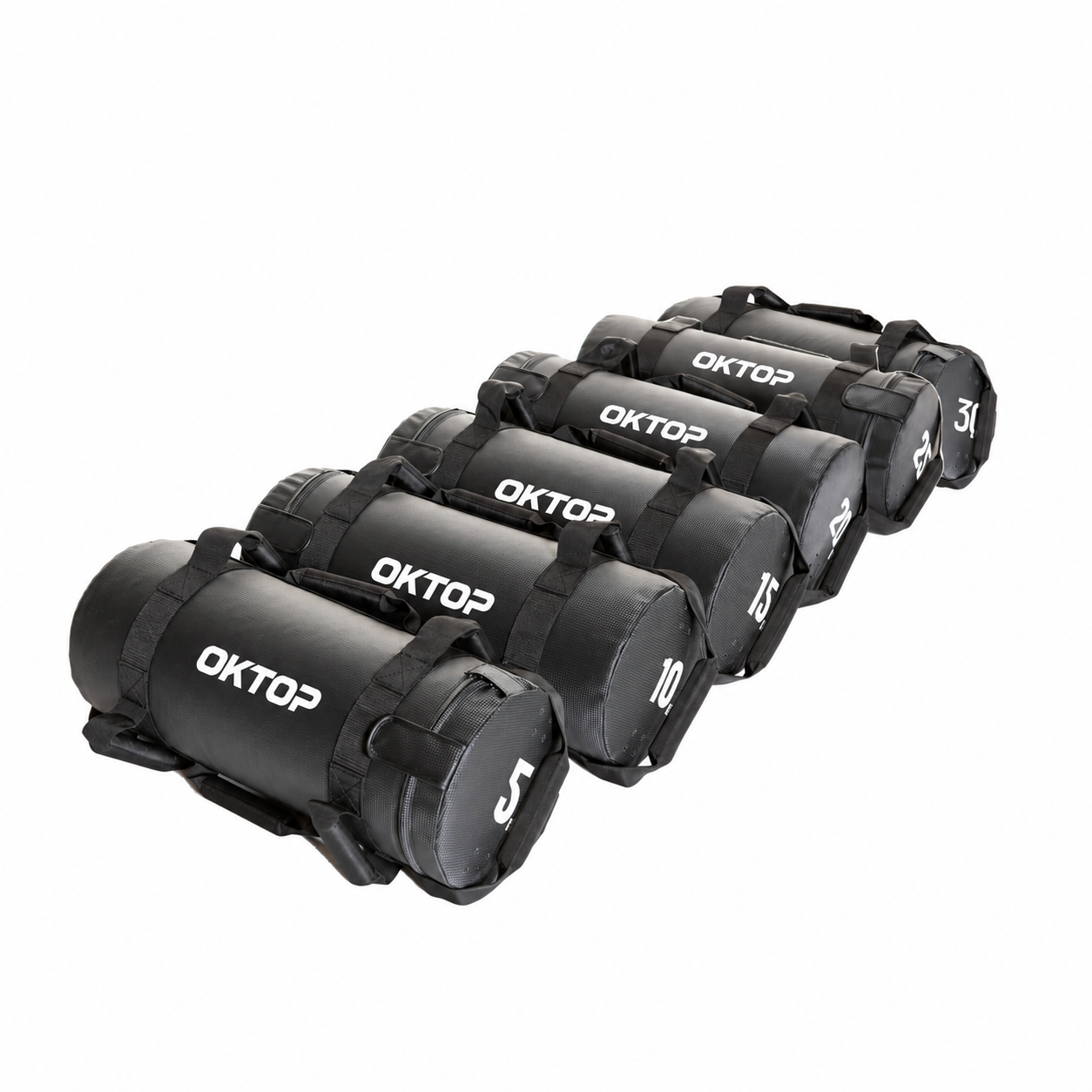
OKTOP currently lists OT6208 Power Bag in its Hybrid Training Equipment range. It is a useful catalogue reference for commercial functional-strength sourcing. The name and image identify the product reference, but they do not confirm a weight range, fill, material, dimensions, handle construction, packing method or suitability for a particular programme. Those details should be confirmed for the actual selected item.
This distinction matters when a buyer is building a consistent commercial range. The purchasing record should identify exactly what is being reviewed rather than relying on a general category name or an image from another supplier.
Turn the training brief into a sourcing brief
The product selection should follow the facility or customer brief. A gym operator may be planning a focused hybrid-training area; a studio may be adding a small functional-strength offer; a distributor may be assessing a product for a specific customer segment. Each case calls for a clear written brief.
Start by recording:
- the product code and catalogue name under review;
- the intended commercial setting and programme context;
- the approximate quantity and whether all items are for one location or several;
- the destination market and receiving requirements;
- any requested label, brand, packing or documentation requirement; and
- the buyer’s questions that must be resolved before the order is approved.
This does not require the buyer to make technical assumptions. It gives the supplier a practical context in which to confirm product information, configuration and commercial terms against the enquiry.
Ask product-specific questions before comparing offers
Different items that appear in the same broad category can have different configurations and supplied components. Before comparing offers, ask each supplier to identify the exact product reference being quoted and to state which documents apply to it.
A useful request can ask for the confirmed product description, available configuration, applicable instructions, product-specific warnings, packing information and any documentation needed for the buyer’s review. If the buyer requires a particular test, inspection point or destination-market requirement, it should be written into the enquiry instead of assumed from the product name.
Where factory testing is requested, agree the method, acceptance point and evidence required for the selected item before production or shipment preparation. A generic product photograph is not evidence that a separate requirement has been met.
Use sample and inspection steps to protect the product reference
A sample review is most useful when it is compared with a written product brief. Check that the reference, visible configuration and supplied components correspond to the item being considered. Record any change requests and keep the approved version with the purchase documents.
Before shipment, the buyer can agree a practical inspection record for product identity, quantity, labels and packing against the confirmed order. This is not a claim about a universal inspection standard; it is a way to make the receiving check more traceable. If a buyer needs independent inspection, factory testing or specific documentation, the request should be agreed in writing for that order.
For distributors, the same process supports clearer reordering. Product codes, approved images, customer-facing naming and destination requirements can be kept together so that the next enquiry starts from an identified reference rather than a memory of a previous item.
Keep the quotation and receiving plan connected
Ask for comparable offers on the same confirmed product reference and quantity. Separate product information from any sample arrangement, labels, packing, shipping terms and destination-specific requirements. Do not treat an earlier quotation as confirmation of current product availability or commercial terms.
The receiving team should have access to the approved product schedule before the shipment arrives. That schedule can be used to check product identity, quantity and visible packing condition. Any issue should be recorded against the order documents while the labels and packaging are still available for review.
FAQ
What is the current OKTOP product reference for this guide?
This guide uses OT6208 Power Bag as the current OKTOP reference. Confirm the selected product information and configuration against the live enquiry before ordering.
Can a buyer infer the bag’s weight, materials or supplied features from the image?
No. Those are product-specific points. Request the relevant specification, configuration and documentation for the exact item being quoted.
What should a first commercial power-bag enquiry include?
Include the product reference, intended commercial application, approximate quantity, destination market and the product, packing or documentation questions that must be confirmed.
Build a clearer hybrid-training enquiry
The strongest power-bag enquiry connects an identified product with a real commercial brief and a written list of confirmation points. That gives the buyer a cleaner basis for reviewing samples, quotations and shipment preparation without turning assumptions into product facts.
Review OT6208 Power Bag, browse hybrid strength equipment, or send your hybrid-training requirements.